

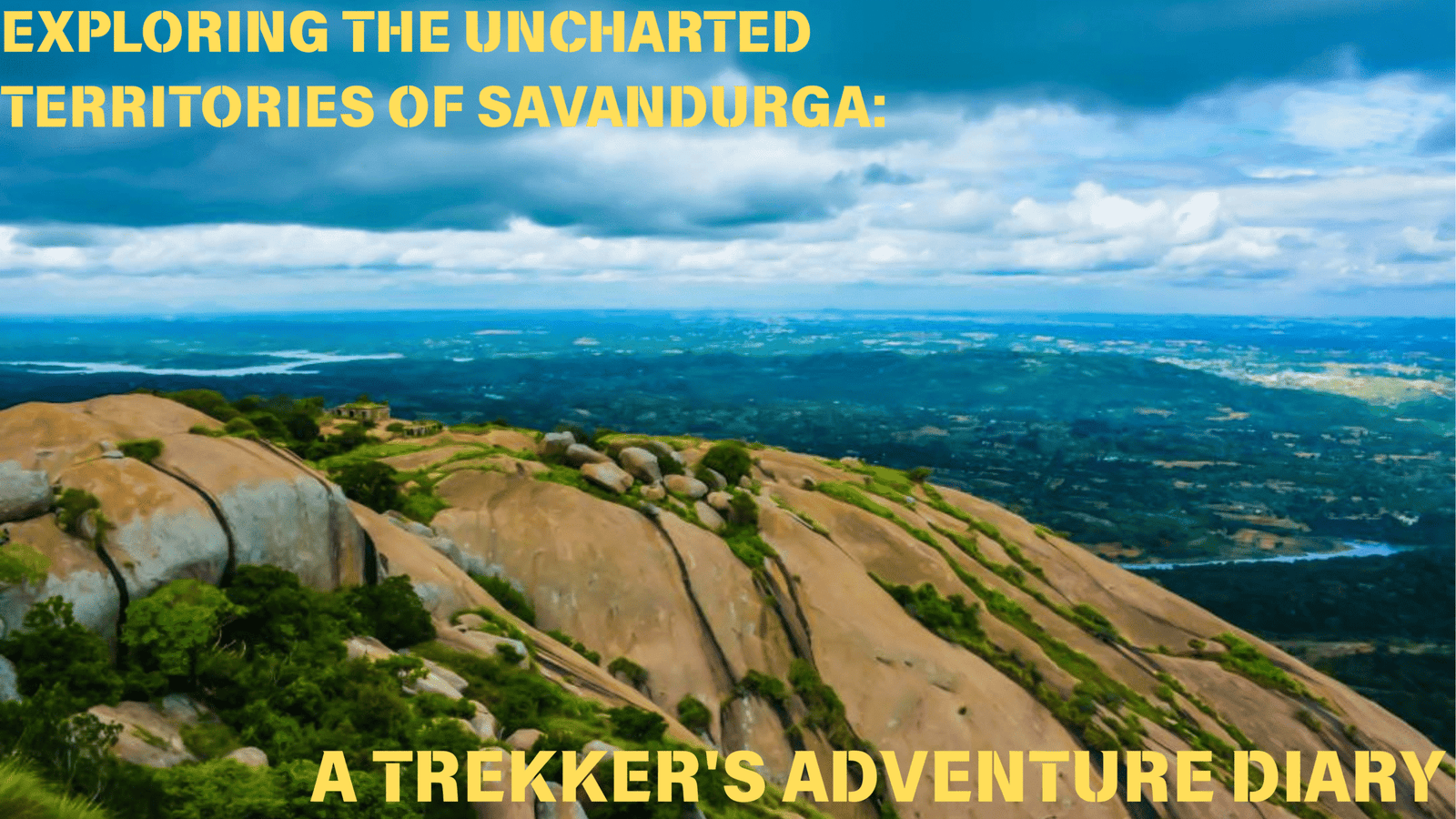
Exploring the Uncharted Territories of Savandurga: A Trekker’s Adventure Diary
Picture this: you’re standing at the base of one of Asia’s largest monolithic rock formations, its granite surface gleaming in the early morning sun. The wind carries stories of ancient warriors and whispers of hidden paths that few have dared to explore. This is Savandurga – not just another trekking destination, but a gateway to adventure that goes far beyond the typical weekend hike.
Located just 60 kilometers from Bangalore, Savandurga might seem like familiar territory to many trekkers. But during my recent expedition, I discovered that most visitors barely scratch the surface of what this magnificent landscape offers. The twin hills of Billigudda and Karigudda hold secrets that reveal themselves only to those willing to venture off the beaten path.
What started as a simple day trek turned into a multi-day adventure that changed my perspective on what it means to truly explore. From navigating treacherous rock faces to discovering hidden caves that don’t appear on any map, every step revealed something new about this Western Ghats gem.
1. Planning the Ultimate Savandurga Trek: Essential Preparation Guide

1.1 Understanding Savandurga’s Unique Geography and Terrain Challenges
The moment you approach Savandurga, its geological uniqueness becomes apparent. These aren’t ordinary hills – they’re massive granite monoliths that rose from the earth around 3 billion years ago. The name itself means “fort of death” in Kannada, hinting at the challenges that await unprepared adventurers.
The formation consists of two distinct peaks: Billigudda (white hill) standing at 1,226 meters and Karigudda (black hill) at 1,208 meters. What makes this terrain particularly challenging is the smooth granite surface that can become treacherous during wet conditions. Unlike other trekking destinations with established footholds, Savandurga demands careful navigation across polished rock faces.
During my reconnaissance, I identified five different route options ranging from beginner-friendly paths to expert-level climbs. The traditional route follows a moderate incline on the eastern face, while the western approaches offer more technical challenges with near-vertical sections. The northern routes, largely unexplored by casual trekkers, present the most rewarding but demanding experiences.
Weather patterns here are influenced by both the Western Ghats and the Deccan Plateau. Monsoons from June to September transform the landscape dramatically, with water cascading down granite faces creating temporary waterfalls. However, the same conditions that create this beauty also make climbing extremely dangerous due to slippery surfaces.
I learned the hard way that even during dry months, early morning dew can make the initial sections treacherous. The granite retains moisture longer than expected, particularly in shaded areas and crevices where most of the interesting formations lie.
1.2 Essential Gear and Equipment for Rocky Terrain Navigation
After testing various equipment combinations across multiple trips, I’ve developed a gear list specifically tailored for Savandurga’s unique demands. Standard trekking boots simply don’t cut it here – you need footwear with exceptional grip on smooth rock surfaces.
My go-to choice became approach shoes with sticky rubber soles, typically used in rock climbing. Unlike hiking boots, these provide better ground feel and grip on granite slabs. For clothing, avoid cotton entirely. The granite can be abrasive, and moisture management becomes critical during extended exploration periods.
Safety equipment takes on heightened importance in Savandurga’s terrain. I carry 30 meters of dynamic climbing rope for the more technical sections, along with basic hardware like carabiners and slings. While not every explorer needs this level of equipment, having it opens up route options that would otherwise remain inaccessible.
Communication devices proved invaluable during my extended expeditions. Mobile coverage is sporadic beyond the main trail, so I invested in a satellite communicator. This might seem excessive for a location so close to Bangalore, but once you’re exploring the remote sections, you realize how isolated the terrain actually is.
Water planning requires special attention. The granite doesn’t hold water sources like other terrains, and what looks like a stream during monsoons can disappear completely in dry months. I learned to carry significantly more water than typical trekking guidelines suggest – at least 4-5 liters for full-day explorations.
1.3 Obtaining Permits and Understanding Local Regulations
Navigating the bureaucratic aspects of Savandurga exploration taught me as much about patience as the terrain taught me about perseverance. The area falls under the jurisdiction of the Karnataka Forest Department, and regulations have become stricter in recent years due to increased visitor pressure.
For basic day treks on established routes, no special permits are required. However, my plans for extended exploration and overnight camping required coordination with multiple authorities. The process involves submitting detailed itineraries, proof of experience, and sometimes providing references from recognized trekking organizations.
The permit office in nearby Magadi town operates with typical government efficiency – which means allowing extra time for paperwork. I recommend visiting in person rather than trying to handle everything through phone calls or emails. Building a rapport with local forest officials proved invaluable for understanding which areas are truly off-limits versus those requiring special permission.
Camping regulations are particularly strict. Designated camping areas exist, but they’re limited and often unsuitable for accessing the more remote sections. I discovered that research-based expeditions sometimes receive different treatment than recreational camping, though the distinction requires proper documentation and legitimate scientific objectives.
Cultural sensitivity extends beyond official regulations. The local communities have deep connections to these hills, with religious and historical significance that demands respect. I made it a point to engage with village elders and understand traditional access patterns before planning routes that might impact local practices.
2. Dawn to Dusk: Navigating the Main Trail and Its Hidden Branches  2.1 The Classic Ascent: Conquering the Primary Summit Route
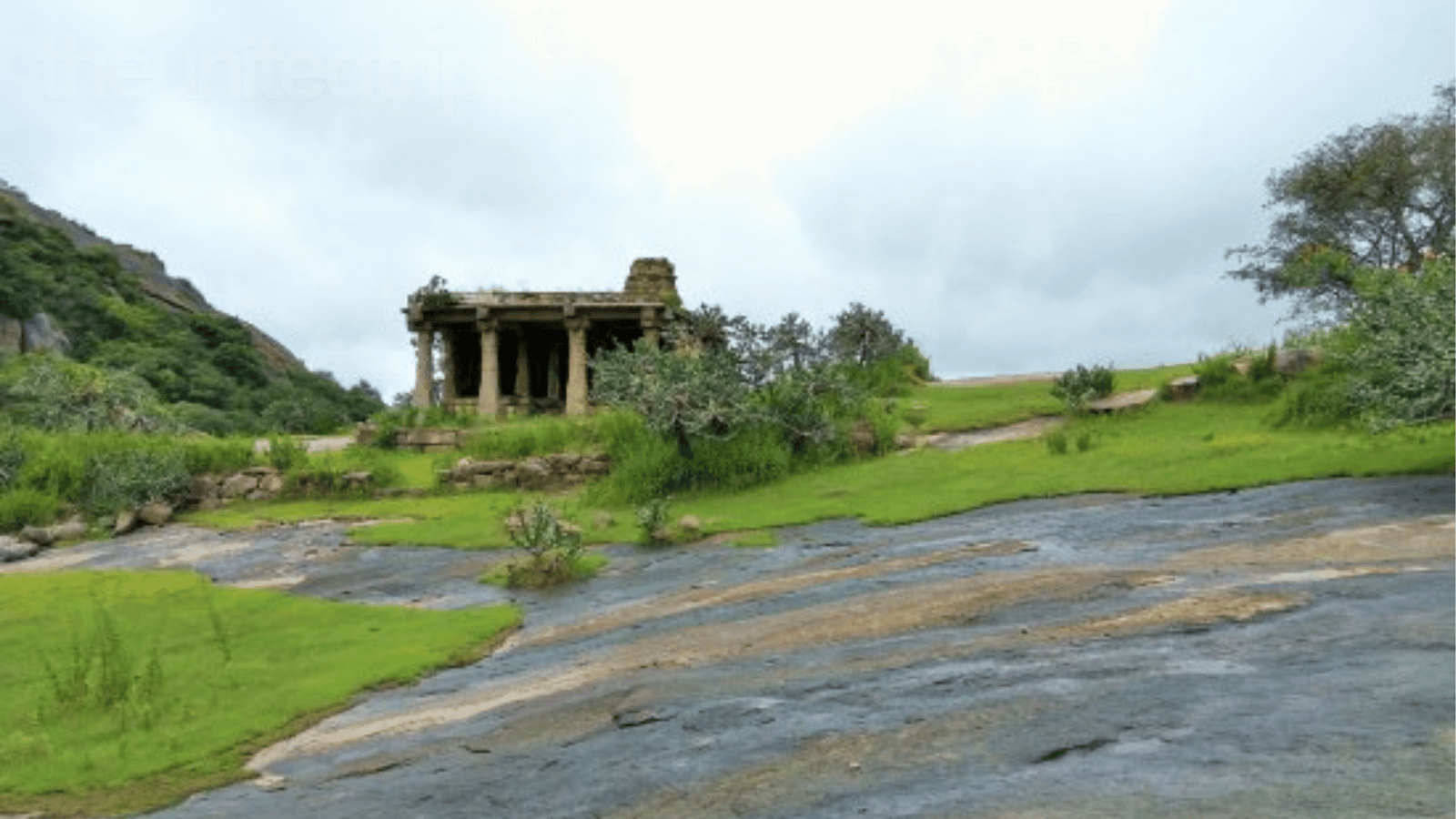 2.1 The Classic Ascent: Conquering the Primary Summit Route
The traditional route to Savandurga’s summit begins at the base village of Savandurga, where a well-marked trail leads through scrubland before hitting the granite slopes. What most trekkers don’t realize is that this “easy” route contains several decision points where choosing the right path can make the difference between a pleasant hike and a genuine adventure.
Starting before dawn provides multiple advantages beyond avoiding heat. The granite surface offers better grip when cool, and wildlife activity peaks during these early hours. My typical start time of 5:30 AM allows for summit arrival during golden hour, when the entire landscape transforms into a photographer’s dream.
The initial section follows a clear path through thorny scrub vegetation. This might seem mundane, but I’ve found this area rich with bird activity and interesting plant adaptations to the rocky environment. The transition point where vegetation gives way to bare granite marks the beginning of the real climb.
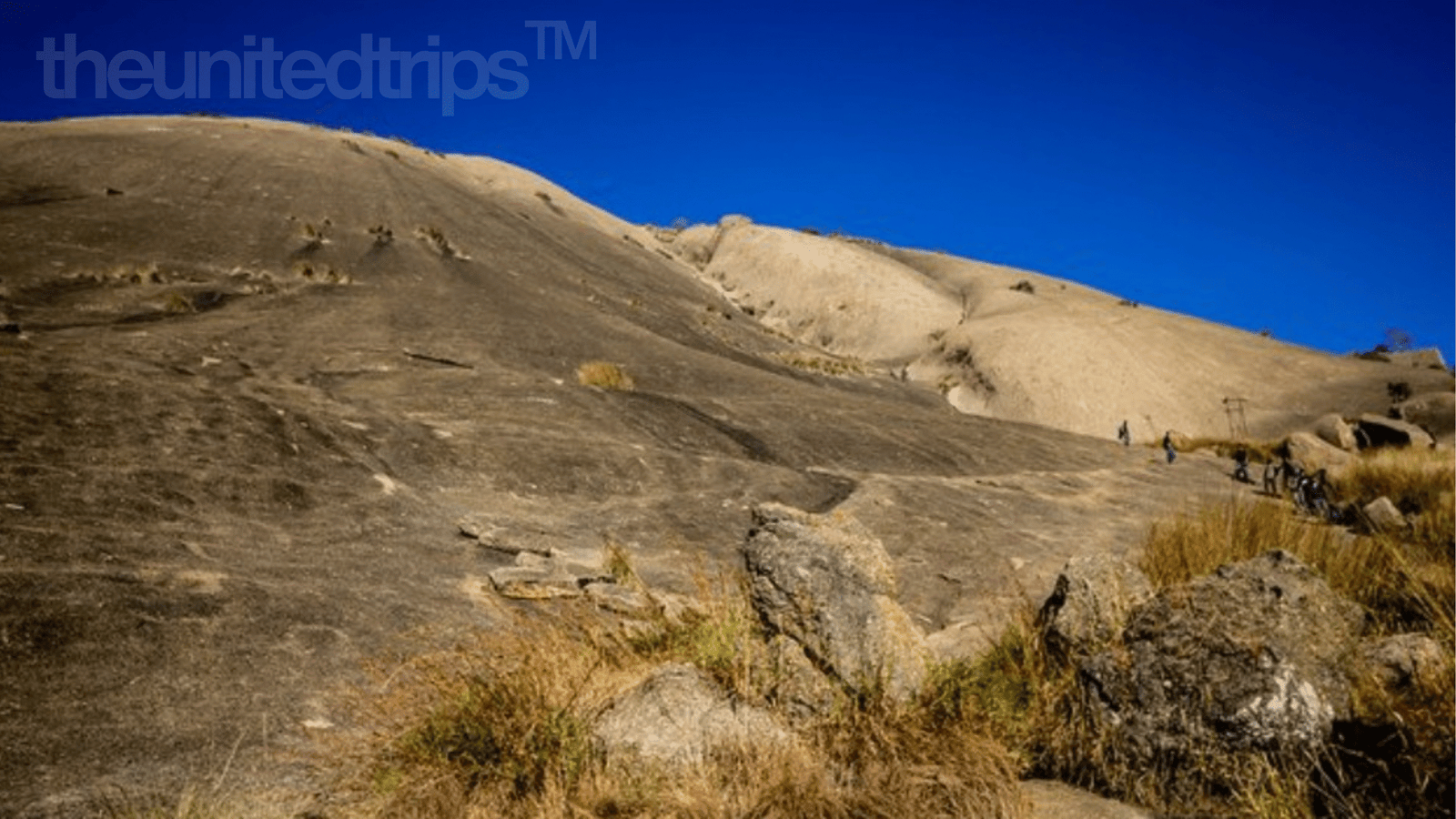
Navigation becomes critical once you hit the rock face. Paint markers exist but aren’t always visible, especially during low light conditions. I developed a system of identifying natural landmarks – distinctive rock formations, cracks, and vegetation patches – that provide reliable reference points even in changing light conditions.
The steepest section occurs about two-thirds up the ascent, where the granite face approaches 60-degree angles. This is where proper footwear and technique become essential. Many trekkers attempt to power through this section, but I’ve learned that reading the rock and finding the most efficient line conserves energy for the more challenging explorations ahead.
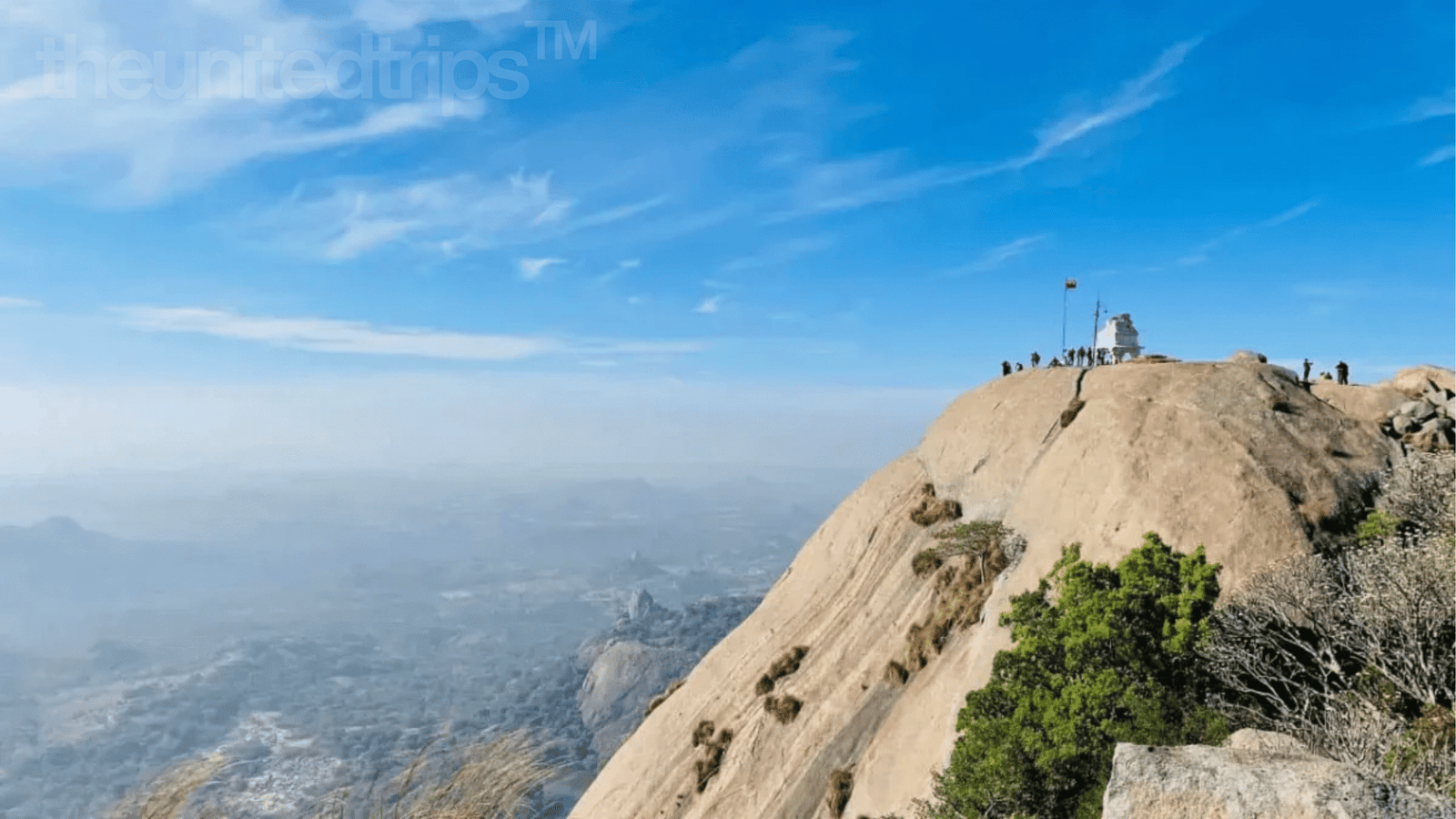
Summit timing varies dramatically based on route choices and stops for exploration. Fast hikers can reach the top in 2-3 hours, but I typically plan for 4-5 hours to allow for investigation of interesting features along the way. The summit itself offers 360-degree views, but the real discoveries lie in the areas most people rush past.
2.2 Secret Pathways: Discovering Alternative Routes and Detours
The most rewarding discoveries happened when I started ignoring the obvious paths and following subtle terrain features that suggested alternative routes. Savandurga’s granite surface contains natural lines – cracks, ridges, and slope changes – that create navigable passages invisible from a distance.
One of my most memorable finds was a route following a deep crack system on the northern face. This natural staircase leads through a series of chambers and alcoves that feel more like spelunking than traditional trekking. The route requires some scrambling ability but opens up sections of the hill that remain completely hidden from the main trail.
Another discovery came from following water flow patterns. Even during dry periods, you can identify where monsoon runoff carves temporary channels down the granite face. These channels often lead to interesting geological features – natural pools, carved basins, and sometimes caves formed by water erosion over centuries.
The western approaches present the most technical but rewarding alternatives. Here, the granite forms natural climbing routes that require basic rock climbing skills but provide access to sections with spectacular exposure and unique perspectives. I found several multi-pitch routes that could occupy serious climbers for entire days.
Risk assessment becomes critical when exploring these alternatives. I maintain strict protocols: never explore unknown routes alone, always inform someone of planned routes and expected return times, and carry emergency gear appropriate for potential scenarios. The granite can be deceptive – what looks manageable from below might present unexpected challenges higher up.
Documentation of these routes has become a personal project. I maintain detailed notes, GPS coordinates, and photographs to build a comprehensive map of alternatives. This information proves valuable for planning return trips and helping other experienced trekkers who want to explore beyond the standard offerings.
2.3 Summit Success: Reaching the Peak and Beyond
Reaching Savandurga’s summit provides a sense of accomplishment, but I’ve learned that the peak itself is just one highlight in a much larger adventure. The summit plateau contains features and opportunities that most visitors completely miss in their rush to take photos and begin the descent.
The final approach varies depending on your chosen route, but all paths converge on a series of granite slabs leading to the highest point. The technique here involves reading the rock surface for the best grip and identifying rest positions. I’ve seen many trekkers struggle unnecessarily by fighting the rock instead of working with its natural features.
From the summit, the panoramic views extend across the Deccan Plateau toward Bangalore’s skyline and deep into the Western Ghats. On clear days, you can identify major peaks throughout the region and understand how Savandurga fits into the larger geographical context. This perspective helps in planning future explorations and understanding weather patterns.
The summit plateau itself deserves extended exploration. Hidden among the granite formations are natural shelters, unique rock sculptures carved by wind and water, and microenvironments that support specialized plant communities. I’ve spent hours exploring areas just a few hundred meters from the main summit that felt completely isolated from the crowds below.
Timing your summit arrival strategically opens up different possibilities. Dawn arrivals offer spectacular sunrise views and optimal photography conditions. Afternoon summits provide different lighting and often clearer atmospheric conditions for distant views. I’ve even done nighttime ascents during full moons, which create an entirely different experience of the landscape.
The descent opens up additional exploration opportunities that aren’t obvious during the ascent. Different routes down reveal new perspectives on the terrain and sometimes provide access to areas that aren’t visible or accessible from the standard climbing routes.
3. Wildlife Encounters and Natural Wonders of the Western Ghats 
3.1 Flora Discovery: Rare Plant Species and Medicinal Herbs
Savandurga’s unique position between the Western Ghats and Deccan Plateau creates microhabitats that support plant communities found nowhere else in the region. My botanical discoveries began accidentally when I noticed unusual flowering patterns on plants that initially appeared common.
The granite crevices and soil pockets support a remarkable diversity of succulents and drought-adapted species. During one exploration, I documented over 20 different succulent varieties within a single square kilometer, many showing adaptations specifically for life on granite surfaces. These plants have developed specialized root systems that can extract moisture from seemingly solid rock.
Seasonal changes reveal different botanical treasures. Monsoon periods bring explosive wildflower displays that transform the granite slopes into colorful carpets. I’ve identified several orchid species that appear only during specific moisture conditions, sometimes for just a few weeks per year. The timing of these displays varies annually, making each visit a potential discovery opportunity.
Local communities have traditionally used many of these plants for medicinal purposes. Through conversations with elderly residents, I learned about applications for plants I had walked past countless times without recognition. Species like Gymnema sylvestre, known locally as “madhunashini,” grows in specific microclimates on Savandurga and has been used traditionally for managing diabetes.
The adaptation strategies of Savandurga’s flora provide fascinating studies in survival. Some plants have developed water storage capabilities in modified leaves or stems. Others time their growth cycles to maximize benefit from brief monsoon periods. Several species show remarkable resilience to the extreme temperature variations that occur on exposed granite surfaces.
Documentation of these plant communities has become one of my ongoing projects. I maintain a photographic record of species, their locations, and seasonal variations. This information contributes to broader understanding of Western Ghats biodiversity and helps identify areas needing special conservation attention.
3.2 Fauna Spotting: Birds, Reptiles, and Small Mammals
Wildlife observation in Savandurga requires different strategies than typical forest environments. The granite terrain and sparse vegetation create specific habitat niches that support specialized fauna communities. Early morning and late afternoon provide optimal viewing opportunities when animals are most active.
Bird diversity surprised me from my first visit. The granite cliffs provide nesting sites for several raptor species, including the Indian kestrel and Bonelli’s eagle. I’ve observed hunting behaviors and territorial displays that are best viewed from elevated positions on the rock faces. The acoustic properties of granite also amplify bird calls, making audio identification easier than in dense forest environments.
Reptile encounters require careful attention and proper identification skills. Savandurga supports several snake species, including some venomous varieties like the Russell’s viper and common krait. I’ve learned to identify preferred habitats and behavioral patterns, which helps in both wildlife observation and safety management. The granite crevices provide ideal shelters for many reptile species.
Small mammal sightings are less common but particularly rewarding when they occur. Rock agamas are abundant and provide excellent opportunities for behavioral observation and photography. Their territorial displays and color changes make for fascinating study subjects. I’ve also encountered several small carnivore species during dawn and dusk periods.
Tracking techniques in granite terrain differ significantly from soil-based environments. Animal signs appear in dust accumulations, scat locations, and feeding remains rather than traditional footprints. Water sources become critical observation points, especially during dry periods when animals concentrate around available moisture.
Wildlife photography in this environment presents unique challenges and opportunities. The granite provides excellent natural backdrops, but harsh lighting conditions require careful timing and technique. I’ve developed specific approaches for different species and lighting conditions that maximize both photographic success and wildlife welfare.
3.3 Ecological Significance: Conservation Efforts and Environmental Impact
Savandurga’s role in regional biodiversity extends far beyond its boundaries. As one of the larger intact granite outcrop systems in southern Karnataka, it serves as a genetic reservoir for specialized plant and animal communities. The connectivity to other Western Ghats habitats makes it crucial for species movement and genetic exchange.
Current conservation challenges reflect the pressures facing many natural areas near major urban centers. Increased visitation brings both opportunities for environmental education and risks from inappropriate use. I’ve observed trail erosion, litter accumulation, and vegetation damage in heavily used areas. The granite surface, while durable, can be permanently scarred by careless activities.
Climate change impacts are becoming visible in species distribution and behavior patterns. Some plant communities that were previously restricted to higher elevations are expanding their range, while others appear to be contracting. Monitoring these changes requires long-term observation and documentation by both researchers and dedicated recreational users.
Local conservation efforts involve multiple stakeholders with sometimes conflicting interests. Forest department priorities focus on habitat protection and visitor management. Local communities balance traditional use patterns with economic opportunities from increased tourism. Trekking groups advocate for access while promoting responsible use practices.
My personal approach to conservation involvement includes both direct action and educational outreach. I participate in organized cleanup activities and maintain detailed records of environmental changes observed during repeated visits. Sharing these observations with relevant authorities and research institutions helps contribute to broader conservation understanding.
Responsible trekking practices become particularly important in granite environments because damage can be both permanent and highly visible. I’ve developed personal protocols that minimize impact while maximizing exploration opportunities. These include techniques for route selection, waste management, and wildlife interaction that other trekkers can easily adopt.
4. Cultural Heritage: Ancient Temples and Local Communities 
4.1 Historical Significance: Temples and Archaeological Sites
The ancient Savandi Veerabhadreshwara Swamy temple complex at the base of the hills represents just the most visible portion of Savandurga’s rich cultural heritage. During my explorations of the upper reaches, I discovered evidence of human activity dating back centuries, including carved steps, foundation remnants, and modified rock formations that suggest much more extensive historical use.
The temple itself deserves careful study beyond its religious significance. The architectural techniques used to construct buildings on granite foundations reveal sophisticated understanding of the geological challenges. Stone carving work displays craftsmanship that has withstood centuries of weathering. The positioning of various structures shows careful consideration of seasonal water flow and wind patterns.
Archaeological evidence suggests Savandurga served strategic military purposes throughout different historical periods. The granite formation provides natural defensive advantages, with steep approaches and commanding views across the surrounding plains. I’ve identified what appear to be defensive walls and strategic observation points that aren’t mentioned in standard historical accounts.
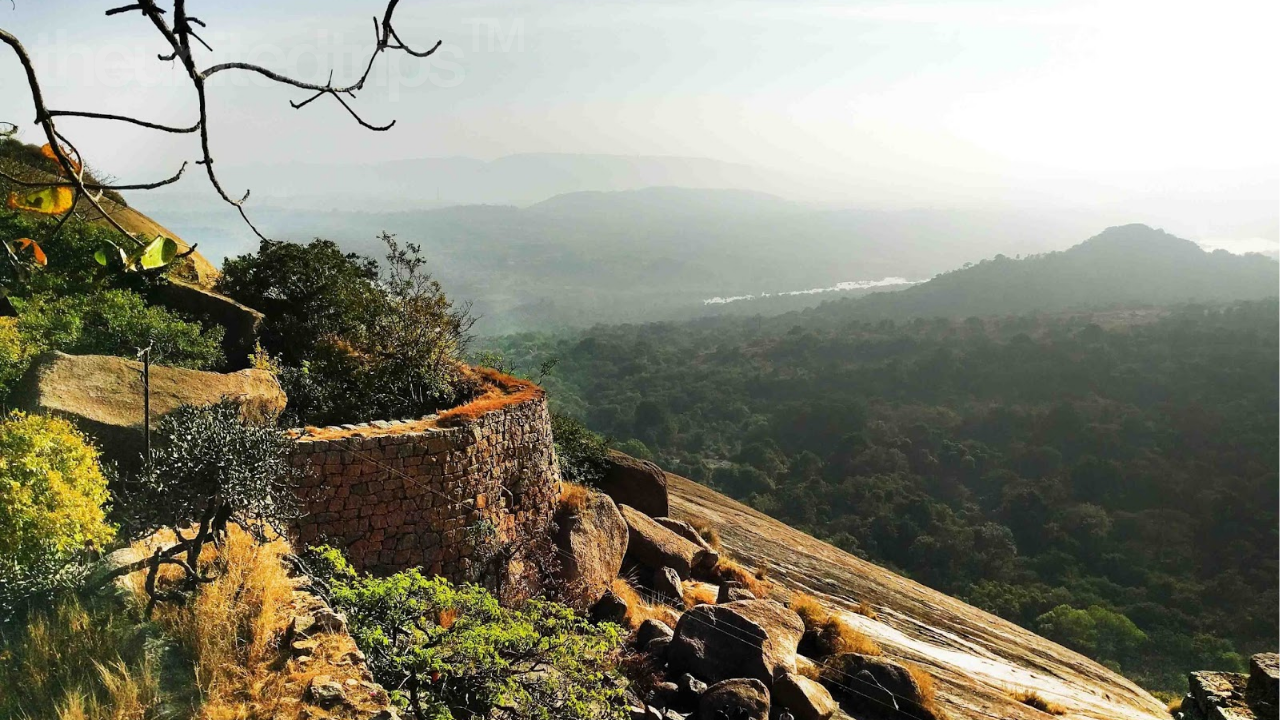
The hill fort remnants scattered across both peaks tell stories of multiple construction phases and different architectural traditions. Some walls show techniques associated with Vijayanagara period construction, while others suggest different origins. The positioning of these structures reveals sophisticated understanding of the terrain’s defensive capabilities.
Water management systems throughout the complex demonstrate remarkable engineering adapted to granite terrain conditions. Ancient builders carved channels to direct monsoon runoff into storage areas and created overflow systems that prevented structural damage. These techniques remain functional today and provide lessons for modern construction in similar environments.
Documentation of these cultural features has become one of my primary research interests. Many sites remain unmapped and unstudied by professional archaeologists. My photographic records and GPS mapping contribute to broader understanding of the area’s historical significance and help identify sites needing protection or further study.
4.2 Local Communities: Village Life and Traditional Practices
The villages surrounding Savandurga maintain cultural connections to the hills that extend back generations. Through conversations with longtime residents, I’ve learned about traditional practices and beliefs that provide different perspectives on the landscape I explore as a recreational trekker.
Agriculture in the area has adapted to the unique conditions created by granite terrain. Farmers have developed techniques for soil management and water conservation that work with the natural drainage patterns. Traditional crop selection emphasizes varieties that can handle the specific microclimate conditions created by the large rock formations.
Water management traditions deserve particular attention given the challenges of granite terrain. Local communities developed systems for capturing and storing monsoon runoff that remain more effective than many modern approaches. These techniques include strategic placement of storage areas and underground systems that take advantage of natural rock formations.
Seasonal festivals and celebrations often incorporate specific references to the hills and their cultural significance. I’ve been privileged to observe ceremonies that include traditional approaches to the sacred areas and practices for maintaining harmony between human activities and natural systems.
Economic relationships between local communities and the increasing number of visitors present both opportunities and challenges. Some residents have developed guide services and hospitality offerings that provide income while sharing cultural knowledge. Others express concerns about impacts on traditional practices and environmental degradation.
My interactions with local communities have evolved from simple logistical arrangements to genuine cultural exchange. I’ve learned traditional names for landmarks and natural features that don’t appear on maps. These relationships provide insights into sustainable approaches to exploration that respect both cultural heritage and environmental values.
4.3 Mythology and Legends: Stories Passed Down Through Generations
The oral traditions surrounding Savandurga reveal layers of meaning and connection that transform the landscape from mere geological formation to living cultural entity. Local storytellers have shared legends that explain natural features and provide frameworks for understanding the relationship between human communities and the hill environment.
Hindu mythological connections link Savandurga to larger spiritual narratives while providing specific local interpretations. The twin peaks are sometimes described as representations of cosmic principles, with climbing routes taking on pilgrimage significance. These stories provide different motivations for exploration beyond recreational or athletic objectives.
Folk tales often incorporate practical information about navigation, weather patterns, and seasonal changes disguised as entertainment. Stories about spirits inhabiting specific locations sometimes correlate with areas where geological hazards or dangerous wildlife encounters are more likely. These narratives served as safety information systems for generations before modern communication methods.
The “fort of death” name carries multiple interpretations depending on the storyteller and context. Some versions emphasize military history and defensive battles. Others focus on the challenging terrain and its dangers for unprepared travelers. Still others interpret it as spiritual death and rebirth associated with the transformative experience of climbing to sacred heights.
Seasonal celebrations and pilgrimage patterns reflect deep understanding of natural cycles and optimal timing for various activities. Traditional timing for specific ceremonies often coincides with weather conditions and natural phenomena that modern trekkers learn to appreciate for practical reasons.
These cultural narratives have influenced my own relationship with the landscape. Understanding the stories and beliefs associated with different areas adds depth to exploration and encourages approaches that respect cultural significance while pursuing adventure objectives.
5. Survival Skills and Emergency Preparedness in Remote Areas 
5.1 Water Sources and Purification Techniques
Water management in Savandurga’s granite terrain requires different strategies than typical trekking environments. The rock surface doesn’t support the springs and streams found in other mountainous areas, making water location and conservation critical skills for extended exploration.
During monsoon periods, temporary water sources appear throughout the granite formations. I’ve mapped numerous locations where runoff creates pools and temporary streams. However, these sources vary dramatically with rainfall patterns and can disappear quickly during dry spells. Understanding seasonal patterns helps in planning routes and identifying reliable sources.
Natural granite basins, called “gnammas” by geologists, provide some of the most reliable water sources. These bowl-shaped depressions capture and hold rainwater for extended periods. I’ve identified over a dozen such formations that consistently hold water well into dry seasons. However, water quality varies significantly and requires treatment for safe consumption.
Purification techniques need to address the specific contamination risks present in granite terrain water sources. Biological contamination from animal use requires filtration and chemical or UV treatment. Mineral content can be unusually high due to granite dissolution, though this rarely presents immediate health risks. Sediment levels vary dramatically depending on recent weather patterns.
I carry multiple purification options for different scenarios. A lightweight filter handles most biological contaminants and sediment. Chemical purification tablets provide backup for large volumes or when the filter becomes clogged. A UV sterilizer works well for clear water sources but requires battery management for extended trips.
Water rationing strategies become critical when exploring remote sections where natural sources are unreliable. I’ve developed carrying systems that balance weight considerations with safety margins. For full-day explorations in unfamiliar areas, I typically carry 150% of calculated requirements to account for unexpected circumstances or route changes.
5.2 Shelter Building and Weather Protection
Weather conditions on Savandurga can change rapidly, and the granite terrain provides both challenges and opportunities for emergency shelter. Understanding how to work with the natural formations can mean the difference between comfort and survival during unexpected weather events.
Natural shelters exist throughout the granite formations, but identifying suitable options requires experience with local weather patterns. Rock overhangs and cave-like formations provide protection from rain and wind, but positioning relative to drainage patterns becomes critical during monsoon conditions. I’ve learned to assess shelter sites for flood risks and wind exposure.
The granite caves scattered throughout the hills offer excellent emergency shelter but require careful evaluation for safety. Some caves show evidence of animal use that might create conflict situations. Others have unstable features or poor ventilation that could present hazards. I maintain detailed notes on caves that I’ve evaluated for emergency use.
Artificial shelter construction using natural materials adapts traditional techniques to granite terrain constraints. The lack of suitable wood and soil means relying more heavily on rock formations and whatever vegetation is available. I’ve practiced building emergency shelters using trekking equipment combined with natural features.
Weather protection strategies must account for the extreme temperature variations possible on exposed granite surfaces. Daytime temperatures can be brutally hot due to solar heating of rock surfaces, while nighttime conditions can drop dramatically due to radiative cooling. Layering systems and shelter positioning help manage these extremes.
Emergency bivouac techniques specific to granite terrain emphasize working with rock formations for wind protection and thermal management. The thermal mass of granite can provide warmth long after sunset if you position yourself correctly. Understanding these thermal properties helps in emergency situation management.
5.3 Emergency Protocols and Communication Strategies
Emergency preparedness in Savandurga’s terrain requires protocols adapted to the specific challenges of granite formations and variable communication coverage. Standard wilderness emergency procedures need modification for the unique access and terrain characteristics.
Communication capabilities vary dramatically depending on location and weather conditions. Cell phone coverage exists in many areas but can be blocked by granite formations or atmospheric conditions. I carry multiple communication options including satellite devices for areas beyond cell coverage. Testing communication capabilities from different locations helps identify reliable contact points.
Emergency evacuation routes require different considerations than standard wilderness areas. The granite terrain limits helicopter landing options to very specific locations. Ground evacuation might require specialized equipment for moving injured persons across rock faces. I maintain detailed notes on evacuation possibilities from different exploration areas.
Signaling methods adapted to granite terrain take advantage of the visual exposure and acoustic properties. Signal mirrors work exceptionally well due to clear sight lines and reflective surfaces. Whistle signals carry well in granite formations. Ground signals using bright materials show clearly against granite backgrounds for aerial observation.
First aid considerations include injuries specific to granite terrain activities. Cuts and abrasions from sharp rock edges are common and require different treatment than typical hiking injuries. Heat-related problems occur frequently due to solar heating of rock surfaces. Dehydration risks increase due to limited water sources and increased exposure.
Emergency action plans that I’ve developed include specific protocols for different scenarios and locations. Route planning incorporates identification of evacuation points and communication locations. I share detailed itineraries with reliable contacts and maintain check-in schedules appropriate for planned activities and risk levels.
Summary
This comprehensive exploration of Savandurga reveals a destination that offers far more than a simple day hike. The monolithic granite hills present unique challenges and rewards for adventurous trekkers willing to venture beyond conventional routes. From the technical aspects of route planning and safety preparation to the rich cultural heritage and diverse ecosystems, Savandurga provides an immersive experience in Karnataka’s natural wilderness.
The journey through these uncharted territories demands respect for both the natural environment and local communities. Success depends on thorough preparation, appropriate gear, and a commitment to responsible trekking practices. The rewards include spectacular views, unique wildlife encounters, ancient cultural sites, and the personal satisfaction of exploring one of South India’s most distinctive geological formations.
Whether seeking adventure, spiritual connection, or scientific discovery, Savandurga offers multiple layers of experience for those prepared to invest the time and effort required for serious exploration. The granite monoliths stand as silent witnesses to millions of years of geological history while supporting vibrant ecosystems and rich cultural traditions that continue to evolve.
My adventures in Savandurga’s uncharted territories have taught me that true exploration isn’t about conquering peaks or covering distance. It’s about developing deep connections with landscapes, understanding the intricate relationships between geology, biology, and culture, and learning to move through wild spaces with wisdom and humility.
For those inspired to follow their own paths through Savandurga’s hidden wilderness, remember that the greatest discoveries often lie not at the destination, but in the quality of attention you bring to the journey itself.
Frequently Asked Questions
Q: What is the best time of year to attempt extended treks in Savandurga?
A: October through March offers the most favorable conditions, with cooler temperatures and minimal rainfall. Avoid monsoon season (June-September) due to slippery rock surfaces and reduced visibility.
Q: How physically demanding is the trek, and what fitness level is required?
A: The main trail requires moderate fitness, but exploring uncharted areas demands good physical condition and rock climbing experience. Expect 6-8 hours of challenging terrain navigation.
Q: Are overnight camping permits available for extended exploration?
A: Currently, overnight camping requires special permission from the Forest Department. Most trekkers complete exploration as day trips, though multi-day permits may be available for research purposes.
Q: What safety precautions are most important for solo trekkers?
A: Solo trekking is not recommended in remote areas. Always travel in groups, carry communication devices, inform others of your route plans, and stick to marked trails unless you have extensive climbing experience.
Q: How can trekkers contribute to conservation efforts in the area?
A: Follow Leave No Trace principles, participate in organized cleanup activities, support local eco-tourism initiatives, and report any environmental concerns to forest authorities.