

Adventure Awaits: Weekend Trekking Destinations Within Reach of Bangalore
There’s something magical about escaping the city noise and finding yourself surrounded by misty hills and ancient rock formations. As someone who’s spent countless weekends exploring the trails around Bangalore, I can tell you that this city is a trekker’s paradise waiting to be discovered. Whether you’re nursing a Monday morning coffee or planning your next adventure, the thought of a quick getaway to the hills never gets old.
Why Bangalore is Perfect for Weekend Trekking Adventures 
Geographic advantages and accessibility to hill stations
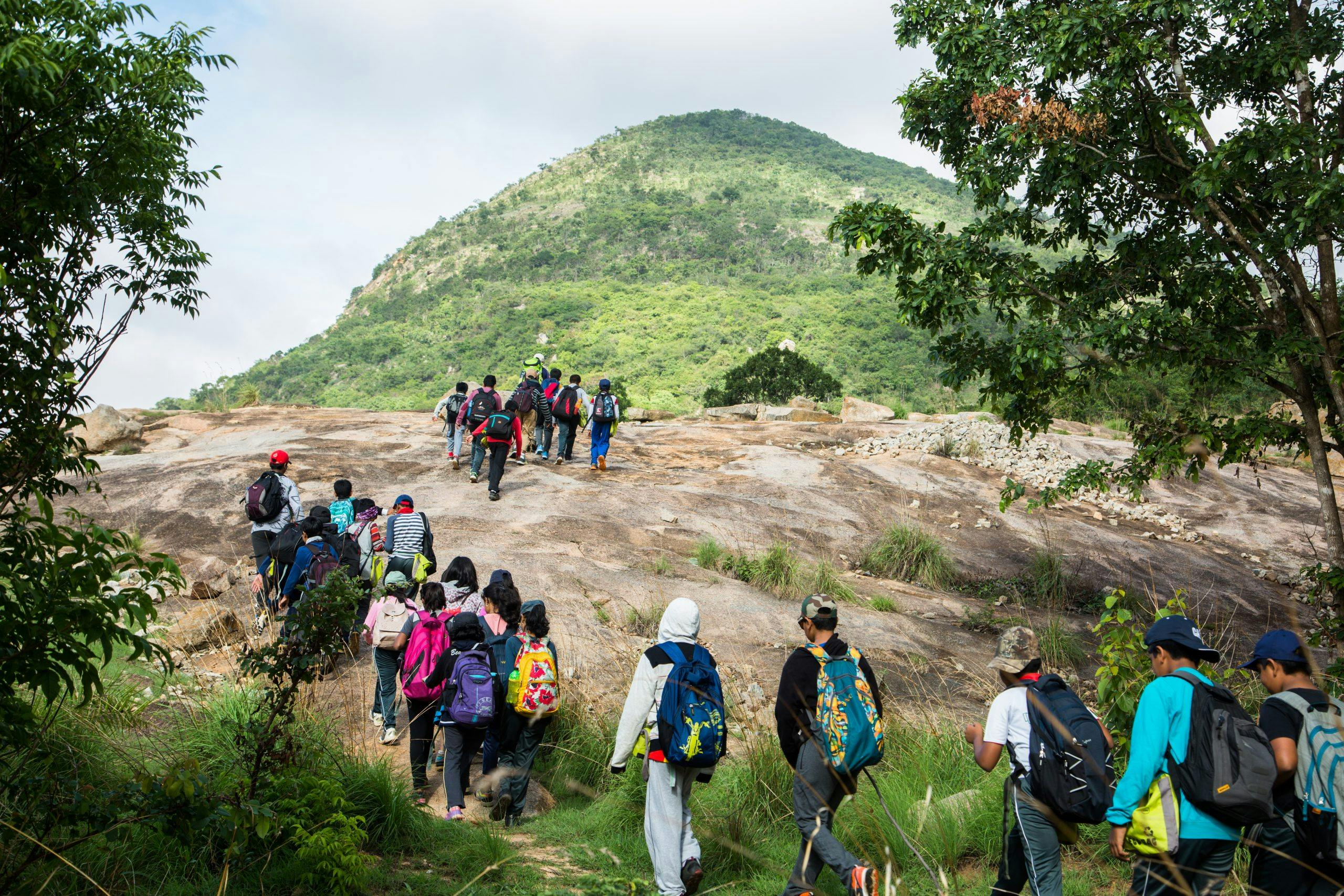
Bangalore sits at an elevation of about 3,000 feet, making it naturally cooler than most Indian cities. This strategic location places us right at the doorstep of the Western Ghats and several smaller hill ranges. Within a 100-kilometer radius, you’ll find everything from gentle rolling hills to dramatic granite monoliths that challenge even experienced climbers.
The beauty of trekking from Bangalore lies in the variety. You can drive for an hour and find yourself at the base of Nandi Hills, or venture slightly further to discover the rugged terrain of Savandurga. Each destination offers a completely different landscape and experience, which means you’ll never run out of new places to explore.
Climate conditions that favor year-round outdoor activities
Unlike other metros where extreme heat or cold limits outdoor activities, Bangalore’s pleasant weather makes trekking possible throughout most of the year. The city’s moderate temperatures mean you can start your trek at dawn without worrying about freezing conditions or return in the afternoon without battling extreme heat.
During my treks, I’ve noticed that even in summer months, early morning starts provide comfortable hiking conditions. The monsoon season brings its own charm with lush green landscapes, though extra caution is needed for safety. Post-monsoon months from October to February offer the most comfortable trekking weather, with clear skies and cool breezes that make every step enjoyable.
Well-connected transportation networks to popular trekking spots
The road network around Bangalore has improved dramatically over the years. Most trekking destinations are accessible via well-maintained highways and state roads. You can rent a car, take public buses, or join organized groups that provide transportation.
I’ve found that having your own vehicle gives you the flexibility to start early and return at your own pace. Many trekking spots have regular bus services from major bus stations like Majestic and Shivajinagar. The Karnataka State Road Transport Corporation runs frequent services to popular destinations like Nandi Hills and Ramanagara.
Nandi Hills: The Classic Sunrise Trek Experience 
Trail difficulty levels and route options for different fitness levels
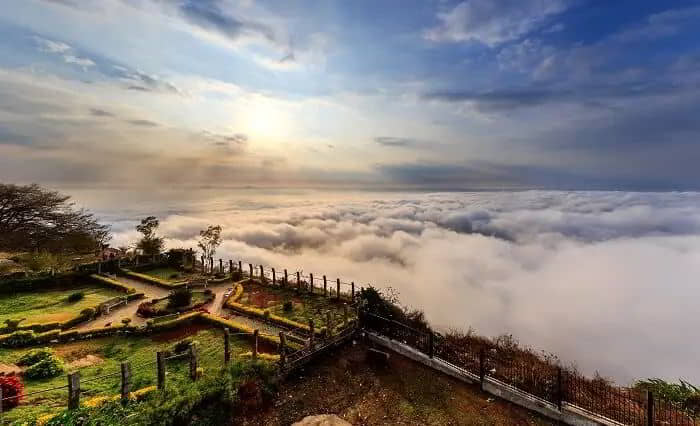
Nandi Hills remains the go-to choice for first-time trekkers and families. The main trail is well-paved and manageable for people of all ages. The traditional route involves a gentle climb of about 4 kilometers, with several rest points along the way.
For those seeking more challenge, there are alternate trails through the forest that offer a more authentic trekking experience. These paths are steeper but reward you with quieter surroundings and better wildlife spotting opportunities. I remember taking the forest trail once and encountering a family of monkeys who seemed just as curious about us as we were about them.
The beauty of Nandi Hills lies in its accessibility. You can choose to drive up most of the way and take a short walk, or park at the base and enjoy a full trekking experience. This flexibility makes it perfect for mixed groups where fitness levels vary.
Best times to visit and seasonal weather considerations
The ideal time to reach Nandi Hills is just before sunrise, around 5:30 AM. This timing allows you to witness the spectacular sunrise over the Bangalore skyline while avoiding the crowds that arrive later. The temperature at this hour is usually 5-10 degrees cooler than in the city, so carrying a light jacket is wise.
During winter months (December to February), early morning temperatures can drop to around 10-12 degrees Celsius. I’ve experienced mornings where the mist was so thick that visibility was limited to just a few meters, creating an almost mystical atmosphere.
Monsoon season transforms Nandi Hills into a green paradise, but the trails can become slippery. If you visit during this time, waterproof gear and extra caution are essential.
Local attractions and historical sites worth exploring nearby
Beyond the main viewpoint, Nandi Hills houses several historical structures worth exploring. The Tipu’s Drop, a 600-meter high cliff, offers dramatic views and carries historical significance from Tipu Sultan’s era. The ancient Bhoga Nandeeshwara Temple at the base of the hill showcases beautiful Dravidian architecture dating back to the 9th century.
One of my favorite spots is the small garden area where you can sit quietly and enjoy packed breakfast while watching the world wake up below. The local vendors sell hot tea and simple snacks, but I recommend carrying your own food for a more peaceful experience.
Skandagiri: Night Trekking Under the Stars 
Unique nighttime trekking experience and safety guidelines
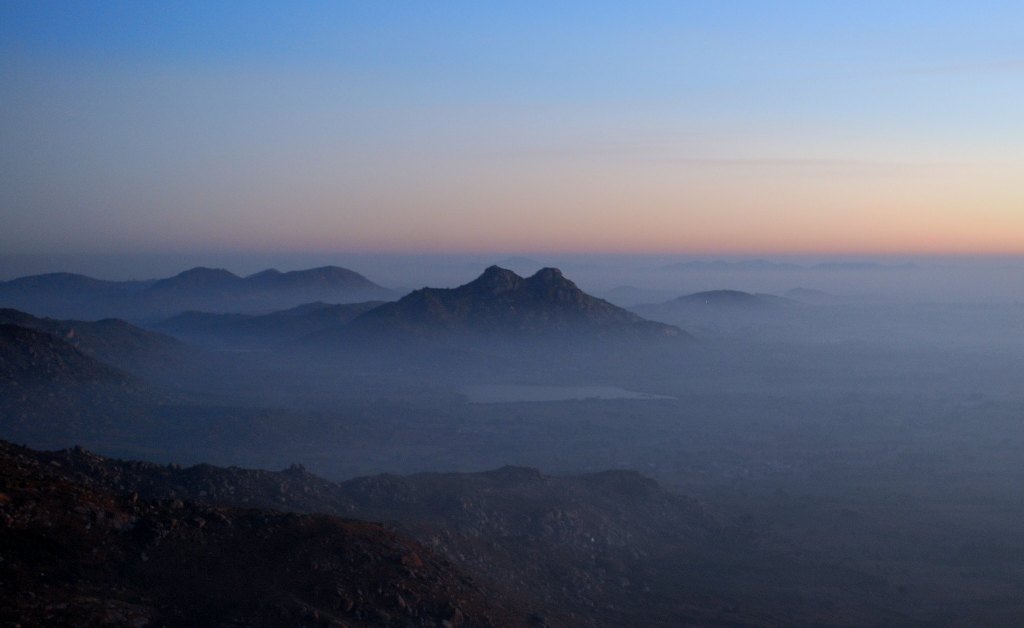
Skandagiri offers one of the most unique trekking experiences near Bangalore – night trekking. Starting the trek around 11 PM and reaching the summit by dawn creates an adventure unlike any other. The trail winds through rocky terrain and requires careful navigation in the dark.
Safety becomes paramount during night treks. I always recommend trekking in groups of at least four people and ensuring everyone has reliable flashlights with backup batteries. The path can be confusing in darkness, and having multiple light sources helps the group stay together.
Mobile network coverage is patchy on the trail, so inform someone about your trekking plans and expected return time. The temperature drops significantly during night hours, making warm clothing essential even during summer months.
Ancient fortress ruins and archaeological significance
The summit of Skandagiri houses ruins of an ancient fortress that once served as a strategic outpost. Walking among these ruins as the first light of dawn breaks creates an almost cinematic experience. The stone structures, though partially collapsed, give glimpses into the region’s military history.
What fascinates me most about these ruins is how they’ve withstood centuries of weathering. The craftsmanship of the stone work and the strategic positioning of the fortress speaks to the engineering skills of ancient builders. Photography enthusiasts will find countless opportunities to capture the interplay of ancient architecture against natural landscapes.
Photography tips and equipment recommendations for night shots
Night photography at Skandagiri requires specific preparation. A sturdy tripod is essential for long exposure shots of star trails. I recommend using a camera with good low-light performance and carrying extra batteries, as cold temperatures drain battery life faster.
For capturing the sunrise from the summit, position yourself on the eastern side of the ruins. The golden hour light filtering through the ancient stone structures creates dramatic compositions. A wide-angle lens helps capture both the expansive valley views and the architectural details of the fortress.
The key to successful night photography here is patience and planning. Scout your compositions using flashlight before complete darkness sets in, and mark your tripod positions for easy setup later.
Savandurga: Conquering One of Asia’s Largest Monoliths 
Technical climbing sections and required safety equipment
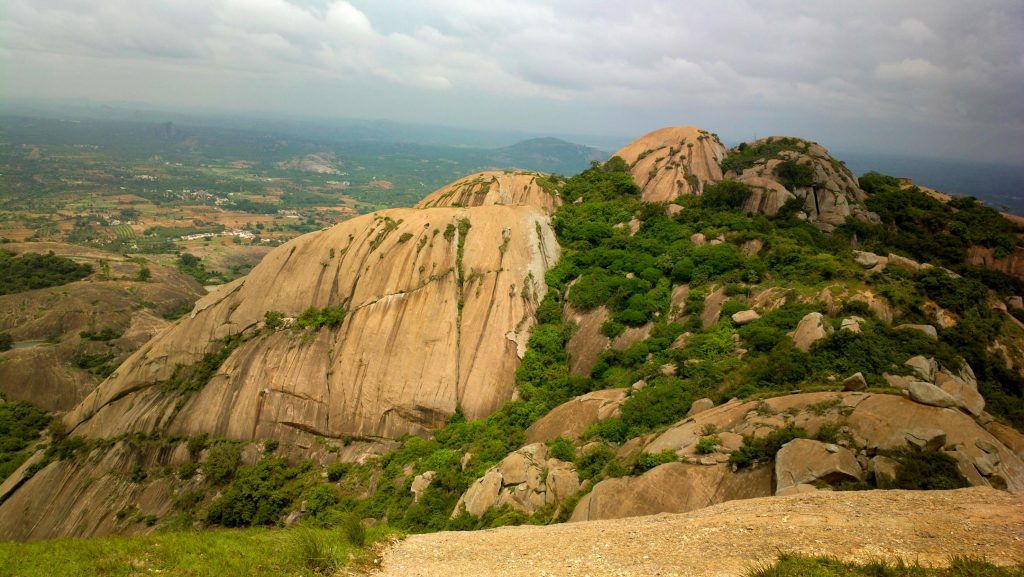
Savandurga presents a more challenging trekking experience with its massive granite faces. The trek involves both hiking and basic rock climbing skills. While not technically difficult, certain sections require careful hand and foot placement on smooth rock surfaces.
Essential equipment includes proper trekking shoes with good grip, as regular sports shoes can be dangerous on smooth granite. I learned this lesson the hard way during my first visit when I slipped on a seemingly easy section due to inadequate footwear.
Carrying rope and basic climbing gear is advisable for groups with varying experience levels. Even though most of the route doesn’t require technical climbing, having safety equipment provides confidence and allows for helping less experienced trekkers through difficult sections.
Flora and fauna diversity in the surrounding forest area
The base of Savandurga is surrounded by scrub forest that houses diverse wildlife. During early morning treks, you might spot peacocks, wild boars, and various species of birds. The forest area also supports several medicinal plants traditionally used by local communities.
I once encountered a small herd of spotted deer during the descent, which reminded me that we’re visitors in their natural habitat. The key is moving quietly and observing from a distance without disturbing the wildlife.
The vegetation changes as you ascend the monolith. While the base has dense scrub forest, the higher elevations support only hardy plants adapted to rocky conditions and minimal soil.
Local village culture and traditional food experiences
The villages around Savandurga offer authentic rural experiences often missed by casual visitors. Local families sometimes provide traditional meals for trekking groups, featuring regional specialties like ragi mudde and locally grown vegetables.
During one of my visits, I was invited to share a meal with a farming family who explained their traditional agricultural practices. The food, cooked in clay pots over wood fire, had flavors that no restaurant could replicate. Such experiences add cultural depth to the physical adventure of trekking.
The local community also shares stories about the historical significance of the monolith and traditional beliefs associated with it. These interactions provide insights into rural life and help support the local economy through responsible tourism.
Ramanagara: Rocky Terrain and Bollywood Fame 
Multiple trail options and rock climbing opportunities
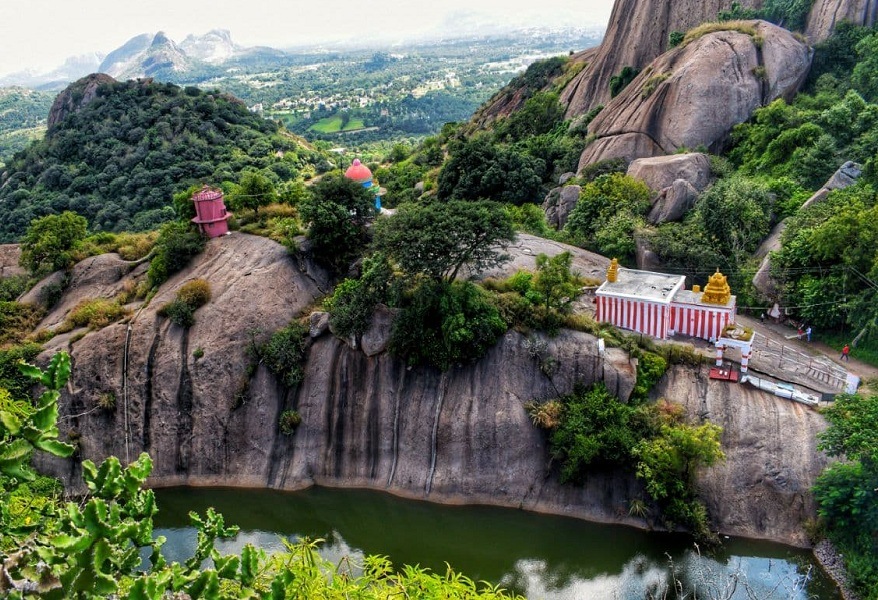
Ramanagara offers the most diverse trekking options among all destinations near Bangalore. Multiple hills of varying difficulty levels mean you can choose your adventure based on time, fitness, and experience. The rocky terrain provides natural climbing routes that challenge beginners and experts alike.
The main hill, Ramadevara Betta, offers a moderate trek with spectacular 360-degree views from the summit. For rock climbing enthusiasts, the granite faces provide routes ranging from easy scrambles to challenging technical climbs requiring advanced skills.
What I love about Ramanagara is the flexibility it offers. You can plan a quick 2-hour trek or spend an entire day exploring different hills and practicing rock climbing techniques. The varied terrain ensures that every visit offers new challenges and discoveries.
Connection to famous movie locations and film history
Ramanagara gained fame as the filming location for the iconic Bollywood movie “Sholay.” Many rock formations and landscapes will look familiar if you’ve watched the film. Local guides enjoy pointing out specific spots where famous scenes were shot.
Beyond Sholay, the area has been used for numerous regional and national film productions. The dramatic landscape of rocky hills and sparse vegetation creates perfect backdrops for adventure and action sequences.
Visiting these film locations adds an interesting dimension to the trekking experience. It’s amusing to stand at spots where legendary actors performed memorable scenes, though the area has changed considerably since the 1970s.
Bird watching possibilities and wildlife observation tips
Ramanagara is a paradise for bird watchers, especially during winter months when migratory species visit the area. The rocky terrain and sparse vegetation provide ideal conditions for spotting birds of prey like eagles, kites, and vultures.
Early morning hours offer the best bird watching opportunities. I recommend carrying binoculars and maintaining silence while observing. The Egyptian vulture, a species rarely seen in other areas around Bangalore, can occasionally be spotted here.
The key to successful wildlife observation is patience and respect for natural behavior. Avoid sudden movements and loud noises that might disturb the animals. Photography should be done from a respectful distance without using flash.
Makalidurga: Hidden Fortress Trek Off the Beaten Path 
Less crowded alternative with pristine natural beauty
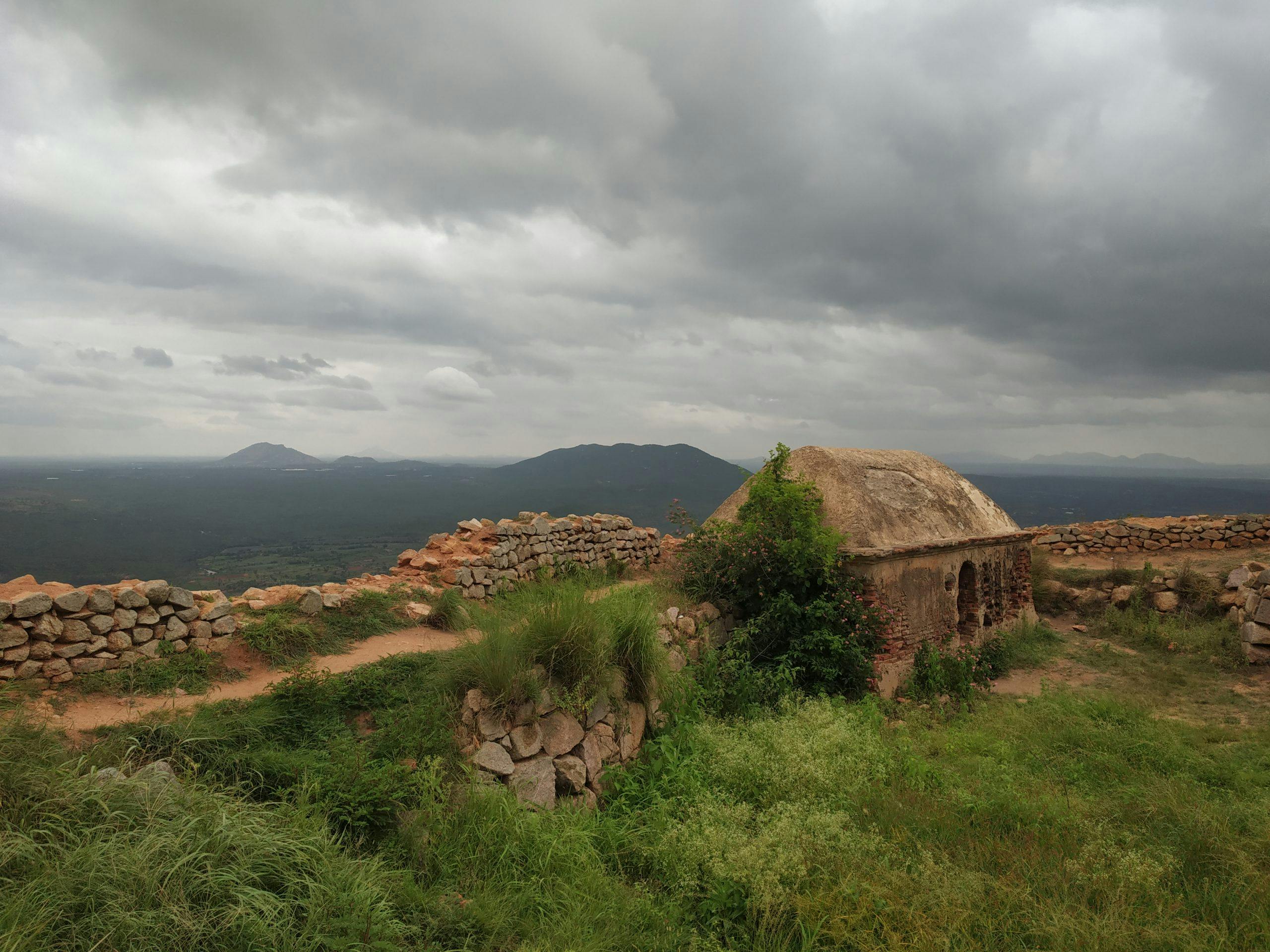
Makalidurga remains one of the best-kept secrets among Bangalore trekkers. Unlike popular destinations that see weekend crowds, this trek offers solitude and pristine natural beauty. The trail winds through rocky terrain with minimal human interference, providing an authentic wilderness experience.
The lack of crowds means you can enjoy the natural sounds of the forest and observe wildlife without disturbance. During my visits, I’ve often had the entire summit to myself, creating a meditative experience that’s hard to find at busier locations.
This relative obscurity also means the trail is less developed, requiring better navigation skills and self-reliance. The challenge adds to the adventure but makes it suitable for trekkers with some experience.
Ancient temple complex and spiritual significance
The summit houses an ancient temple dedicated to goddess Kali, from which the hill derives its name. The temple, though small, holds significant spiritual importance for local communities. The architecture reflects traditional South Indian temple design adapted to the rocky hilltop setting.
What strikes me most about this temple is its serene location. Surrounded by massive boulders and offering panoramic views, it creates a natural sanctuary for meditation and reflection. The spiritual atmosphere is enhanced by the effort required to reach it.
Local devotees occasionally visit the temple during festivals, adding cultural vibrancy to the otherwise quiet location. Respecting the religious significance while visiting is important, and modest clothing is advisable.
Transportation logistics and accommodation options nearby
Reaching Makalidurga requires more planning than other destinations. The nearest town, Doddaballapur, is about 60 kilometers from Bangalore. From there, local transportation options are limited, making private vehicles the most practical choice.
The last stretch involves a dirt road that can be challenging during monsoon season. I recommend checking road conditions before traveling and carrying basic emergency supplies including extra water and food.
Accommodation options are limited in the immediate area, but Doddaballapur offers basic lodging facilities. Many trekkers prefer day trips, but camping at the base (with proper permissions) can extend the adventure.
Essential Planning Tips for Your Weekend Trek 
Packing checklists and gear recommendations for each season
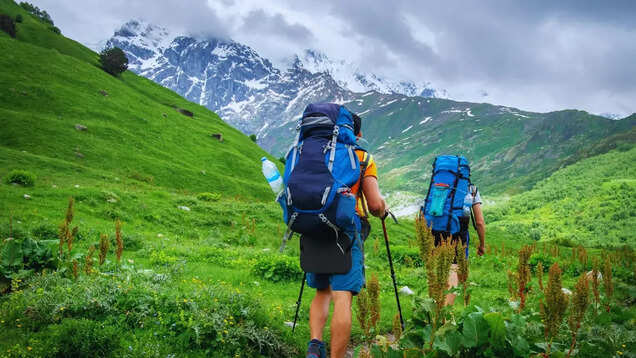
Creating the right packing list can make or break your trekking experience. For summer treks, lightweight, breathable clothing is essential, along with sun protection including hats and sunscreen. I learned the importance of proper sun protection during a particularly hot trek to Savandurga where inadequate covering led to severe sunburn.
Winter trekking requires layered clothing that can be adjusted as temperatures change throughout the day. Early morning starts often mean cold conditions that warm up significantly by afternoon. A good rule is to pack one more layer than you think you’ll need.
Monsoon trekking demands waterproof gear and extra attention to footwear. Quick-dry clothing and waterproof bags for electronics are essential. However, I generally recommend avoiding monsoon treks for safety reasons unless you’re experienced with wet conditions.
Group size considerations and booking procedures
The ideal trekking group size is 4-8 people. Smaller groups move faster and create less environmental impact, while larger groups can become difficult to manage on narrow trails. Solo trekking is possible for experienced trekkers, but having at least one companion adds safety and enjoyment.
Most destinations don’t require advance booking, but some locations like Skandagiri may have restrictions during certain periods. Checking current regulations before planning prevents disappointment and ensures compliance with local rules.
When organizing groups, consider the fitness levels and experience of all participants. Mixed-ability groups should choose easier destinations and maintain flexible timelines to accommodate everyone.
Budget planning including transportation and meal costs
Weekend trekking from Bangalore can be surprisingly affordable. Transportation typically represents the largest expense, ranging from 500-1500 rupees depending on distance and vehicle choice. Sharing costs among group members makes it even more economical.
Food expenses vary based on personal preferences. Carrying packed meals keeps costs low and ensures you have preferred food items. Local restaurants near trekking destinations offer simple meals at reasonable prices, typically 50-150 rupees per person.
Additional costs might include entry fees for certain locations, guide services, or equipment rental. Always keep some emergency cash for unexpected expenses like vehicle repairs or medical needs.
Safety Guidelines and Environmental Responsibility
Weather awareness and emergency preparedness protocols
Weather conditions can change rapidly in hill areas, making awareness and preparation crucial. Checking weather forecasts before departure and monitoring conditions throughout the trek helps prevent dangerous situations. I always recommend starting early to avoid afternoon heat or potential thunderstorms.
Emergency preparedness includes carrying basic first aid supplies, emergency contact numbers, and information about the nearest medical facilities. Mobile network coverage can be unreliable, so don’t depend solely on phones for emergency communication.
Informing someone about your trekking plans, including expected return time and route details, creates a safety backup. If you don’t return as planned, someone will know where to look for you.
Leave no trace principles and conservation practices
Responsible trekking means leaving natural areas as pristine as we found them. This includes carrying out all trash, avoiding damage to plants and rock formations, and respecting wildlife habitats. The “pack it in, pack it out” principle should guide all outdoor activities.
Water sources in these areas are often used by local communities and wildlife. Avoiding contamination by not washing directly in streams or disposing of waste nearby helps protect these valuable resources.
Photography should be done responsibly without disturbing wildlife or damaging vegetation for better shots. The goal is capturing natural beauty while ensuring it remains beautiful for future visitors.
First aid basics and communication with local authorities
Basic first aid knowledge is invaluable during trekking adventures. Common issues include minor cuts, sprains, dehydration, and exhaustion. Carrying a well-stocked first aid kit and knowing how to use it can handle most minor emergencies.
For serious emergencies, knowing how to contact local authorities and emergency services is crucial. Keep important numbers saved in your phone and written down as backup. Local police stations and primary health centers near trekking areas can provide assistance when needed.
Prevention remains the best strategy. Proper preparation, conservative decision-making, and staying within your limits prevents most emergency situations from occurring.
Summary
These five weekend trekking destinations near Bangalore offer diverse experiences for every type of outdoor enthusiast. From the gentle slopes of Nandi Hills perfect for beginners to the challenging granite faces of Savandurga that test experienced climbers, each location provides unique adventures and memories.
The historical significance, natural beauty, and accessibility of these trails make them ideal for regular exploration. Whether you’re seeking spiritual experiences at ancient temples, testing your photography skills during night treks, or simply escaping city life for a few hours, these destinations deliver authentic outdoor adventures without requiring extensive travel.
Remember that the best trek is a safe and enjoyable one. Proper planning, respect for nature and local communities, and realistic assessment of your abilities ensure that every adventure becomes a positive memory worth sharing.
Frequently Asked Questions
1Q: What is the best time of year for trekking near Bangalore?**
A: October through March offers the most comfortable weather conditions, with cooler temperatures and minimal rainfall. Monsoon season (June-September) should be avoided due to slippery trails and safety concerns.
2Q: Do I need special permits for any of these treks?**
A: Most treks don’t require permits, but Skandagiri night trekking may have restrictions during certain periods. Always check current regulations before planning your trip.
3Q: What fitness level is required for these weekend treks?**
A: These treks range from beginner-friendly (Nandi Hills) to moderate difficulty (Savandurga). Basic cardiovascular fitness and comfortable walking ability for 3-6 hours is recommended.
4Q: Can these treks be completed in a single day from Bangalore?**
A: Yes, all five destinations are designed for day trips or overnight camping, with travel times ranging from 1-3 hours from Bangalore city center.
5Q: What essential items should I pack for a weekend trek?**
A: Basic requirements include comfortable trekking shoes, water bottles, snacks, first aid kit, flashlight, weather-appropriate clothing, and a fully charged mobile phone for emergencies.