

Beyond the Dawn: Your Essential Guide to Conquering the Skandagiri Sunrise Trek 

Introduction to Skandagiri Trek
Picture this: you’re standing atop an ancient hill fort at 4:30 AM, watching the first rays of sunlight paint the sky in brilliant oranges and pinks while clouds drift below your feet like a cotton carpet. This magical experience awaits every trekker who makes the journey to Skandagiri, one of Karnataka’s most beloved sunrise destinations.
What Makes Skandagiri Special
Skandagiri stands out among India’s countless trekking destinations for several compelling reasons. Located just 70 kilometers from Bangalore, this ancient hill fort rises to 1,450 meters above sea level, offering trekkers a perfect blend of history, adventure, and natural beauty.
The hill gets its name from Skanda, another name for Lord Murugan, and has served as a strategic military outpost for centuries. Today, the ruins of old fortifications dot the landscape, creating an atmosphere that feels both mystical and adventurous. What I find most fascinating about Skandagiri is how it transforms throughout the trek – you start in darkness, surrounded by the sounds of nocturnal wildlife, and gradually watch the world wake up around you.
The trek is famous for its sea of clouds phenomenon, especially during winter months. When conditions are right, you’ll find yourself literally above the clouds, creating photo opportunities that seem almost surreal. I’ve spoken with many trekkers who describe this as their most memorable outdoor experience, and it’s easy to understand why.
Best Time to Visit and Weather Conditions
Timing your Skandagiri trek correctly can make the difference between an amazing experience and a challenging ordeal. The sweet spot for this adventure runs from October through March, when the weather cooperates beautifully with your sunrise viewing plans.
During these months, night temperatures hover around 15-20°C, which feels pleasantly cool during the uphill climb. Morning temperatures at the summit can drop to 10-12°C, so you’ll appreciate that extra layer you packed. The monsoon season from June to September transforms Skandagiri into a no-go zone – trails become dangerously slippery, visibility drops to near zero, and the forest department typically suspends trekking permits for safety reasons.
December and January offer the clearest skies and the best chances of witnessing the famous cloud cover below the summit. However, these months also see the highest demand for permits, so booking well in advance becomes crucial. February and March provide a nice balance of good weather and slightly better permit availability.
Summer months (April-May) present their own challenges with intense heat during descent and limited water sources along the trail. If you must trek during this period, extra hydration becomes absolutely critical.
Duration and Difficulty Level Overview
Skandagiri strikes an excellent balance between challenge and accessibility, making it perfect for beginners while still providing a satisfying workout for experienced trekkers. The complete adventure typically spans 4-6 hours, starting around 2:00 AM and concluding by 8:00 AM.
The trek covers approximately 8 kilometers round trip, with an elevation gain of about 600 meters from the base. Most trekkers find the initial 2-3 hours of ascent moderately challenging, with rocky terrain and occasional steep sections that require careful footing. The trail isn’t technical in mountaineering terms, but it demands basic fitness and sure footing, especially in pre-dawn darkness.
What makes this trek particularly appealing to newcomers is its forgiving nature. The path is well-marked, guide assistance is readily available, and rescue access remains feasible throughout most of the route. I’d rate it as a 3 out of 5 on the difficulty scale – challenging enough to feel accomplished, but manageable for anyone with reasonable fitness levels.
The timing adds an interesting psychological element. Starting in complete darkness creates an adventure-movie atmosphere that many find thrilling, though some trekkers initially feel nervous about navigating rocky terrain with only headlamp illumination.
Planning Your Skandagiri Adventure
Booking Process and Permissions Required
Gone are the days of spontaneous Skandagiri treks – the Karnataka Forest Department now requires advance booking through their official online portal, and this system has both benefits and challenges for trekkers.
The booking process begins on the Karnataka Forest Department’s website, where you’ll need to create an account and select your preferred trekking date. Permits cost approximately ₹300 per person for Indian nationals and ₹1,200 for foreign tourists. The system allows bookings up to 30 days in advance, and popular dates (especially weekends and holidays) fill up within hours of becoming available.
Here’s what I’ve learned from multiple booking experiences: set a phone reminder for exactly 30 days before your desired trek date, and be ready to book at midnight when slots open. The website sometimes experiences high traffic, so patience and persistence become necessary. You’ll need to provide identification details, emergency contact information, and select your group size (maximum 6 people per booking).
Once confirmed, you’ll receive a booking confirmation that must be presented at the base camp along with original photo identification. No walk-in trekkers are permitted, and the forest guards strictly enforce this rule. If someone in your group can’t make it, cancellations must be made at least 24 hours in advance for any refund consideration.
Transportation Options to Reach Skandagiri
Getting to Skandagiri base camp requires some planning, as public transportation options are limited, especially for the early morning trek timings. Most trekkers choose between private vehicle rentals, organized tour packages, or ride-sharing arrangements.
If you’re driving from Bangalore, take the NH75 highway toward Chikballapur, then follow signs to Kalwar village. The route is straightforward during daylight hours, but navigating rural roads at 1:00 AM can be tricky for first-time visitors. GPS navigation works reliably, though the final 2-3 kilometers involve narrow village roads where careful driving becomes essential.
Many trekkers prefer organized tour packages that include round-trip transportation, guide services, and permit handling. These typically cost ₹1,500-2,500 per person and eliminate the stress of navigation and parking. The downside is less flexibility in timing and potential delays if other group members are unprepared.
Ride-sharing with fellow trekkers through online communities has become increasingly popular. Facebook groups and trekking forums often have people organizing shared transportation, which reduces costs while adding a social element to the adventure. Just ensure you’re connecting with verified, trustworthy individuals.
For those staying overnight near the trek, Chikballapur offers several budget accommodations, though booking ahead is wise during peak trekking season.
Essential Items to Pack for the Trek
Packing efficiently for Skandagiri requires balancing necessity with weight, as you’ll be carrying everything during a 3-4 hour climb in darkness. Through multiple treks and conversations with guides, I’ve developed a tried-and-tested packing list that covers all scenarios.
Lighting equipment tops the priority list. A reliable headlamp with extra batteries is absolutely crucial – your hands need to be free for balance on rocky sections. I always carry a backup flashlight, as equipment failures in darkness can quickly turn dangerous. Red light settings help preserve night vision while being considerate of other trekkers.
Layered clothing becomes your best friend on this trek. Start with moisture-wicking base layers, add a warm fleece or light jacket for the summit, and bring a windproof outer shell. Temperatures can swing 15 degrees between start and finish, and early morning summit winds can be surprisingly strong. Avoid cotton clothing that retains moisture and loses insulation properties when damp.
Footwear selection can make or break your experience. Sturdy trekking shoes with good ankle support and grip are ideal, though high-quality sports shoes work adequately for beginners. The trail includes loose rock sections where traction becomes critical, especially during descent when fatigue affects balance.
Hydration and nutrition planning requires careful consideration. Carry 2-3 liters of water per person, as sources along the trail are unreliable and untested. Energy bars, nuts, and fruits provide excellent fuel during the climb. Avoid heavy meals before starting, but pack something substantial for post-sunrise recovery.
The Complete Trek Route and Experience 
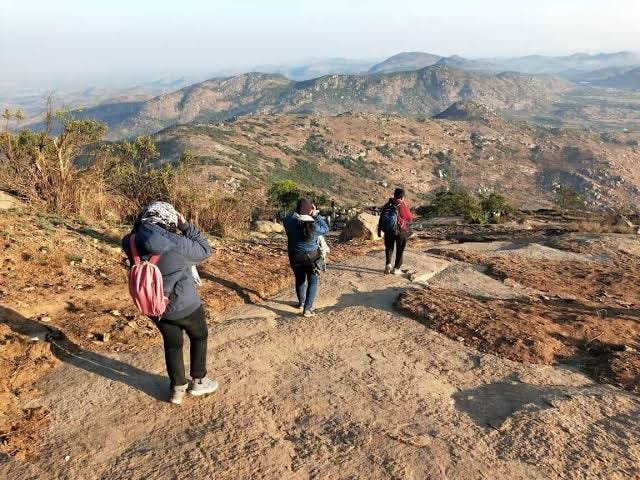
Starting Point and Initial Trail Conditions
The Skandagiri trek officially begins at the forest checkpoint near Kalwar village, where uniformed guards verify permits and provide safety briefings around 2:00 AM. This initial gathering creates an excited, almost conspiratorial atmosphere as groups of trekkers prepare to embark on their pre-dawn adventure.
The trail starts deceptively easy, winding through cultivated fields and gentle inclines for the first 30 minutes. This section serves as a natural warm-up, allowing your eyes to adjust to headlamp navigation while your body transitions into trekking mode. Early morning sounds include distant roosters, occasional dog barks from nearby villages, and the rustling of small animals in surrounding vegetation.
As you progress beyond the agricultural areas, the path begins its transformation into proper hill terrain. Rocky outcrops become more frequent, and the incline gradually increases. The trail marking isn’t always obvious in darkness, making guide accompaniment valuable for first-time trekkers. Local guides know shortcuts and can identify potential hazard areas that aren’t immediately apparent to newcomers.
Weather conditions during this initial phase typically feel pleasant after the first 15 minutes of movement. Your body generates warmth quickly, and many trekkers find themselves removing outer layers sooner than expected. However, wind conditions can change rapidly as you gain elevation, so keeping extra layers easily accessible makes sense.
Key Landmarks and Checkpoints Along the Way
The Skandagiri trail features several distinctive landmarks that serve as both navigation aids and psychological milestones during your ascent. Understanding these checkpoints helps with pacing and provides reassurance that you’re progressing correctly toward the summit.
The Boulder Garden appears roughly 45 minutes into the trek, where the path winds through increasingly large rock formations. This section requires more careful foot placement, as loose stones can shift unexpectedly. The positive aspect is that these boulders provide convenient rest spots and windbreaks for brief recovery periods.
Ancient Wall Ruins become visible after about 90 minutes of climbing, marking your entry into the historical fort area. These crumbling stone structures offer fascinating glimpses into Skandagiri’s military past while confirming you’re approaching the upper sections of the hill. Many trekkers pause here for photos and water breaks.
The Steep Section represents the trek’s most challenging portion, typically encountered in the final hour before summit. The trail becomes notably steeper, with loose rock sections requiring careful balance and occasional hand support. This is where proper footwear and trekking poles (if you brought them) prove their worth. Don’t be discouraged if you need frequent rest stops here – most trekkers do.
Pre-Summit Plateau provides a welcome relief after the steep climbing, featuring a relatively flat area where you can catch your breath before the final push. This landmark usually coincides with the first hints of dawn light, creating excitement as sunrise approaches.
Final Ascent to the Summit
The final approach to Skandagiri’s summit combines physical challenge with mounting anticipation as dawn light gradually illuminates your surroundings. This section typically takes 20-30 minutes and requires the most careful navigation of the entire trek.
The path becomes less defined near the top, with multiple routes leading to various viewpoints across the summit area. Local guides prove invaluable here, directing groups toward the best sunrise viewing positions while avoiding potentially dangerous cliff edges that aren’t visible in pre-dawn light.
As you near the top, the first hints of eastern horizon become visible, creating a sense of urgency to reach optimal viewing positions. However, this is precisely when accidents most commonly occur – tired trekkers rushing over unfamiliar rocky terrain in poor light conditions. Take your time, watch your footing, and remember that sunrise lasts long enough for everyone to find good viewing spots.
The summit area features remnants of ancient fort structures, including partially intact walls and foundation stones that create natural seating areas for sunrise viewing. These ruins add historical context to your adventure while providing windbreaks and photo opportunities.
Weather conditions at the summit can differ dramatically from lower elevations. Wind speeds often increase significantly, and temperatures may drop by several degrees. This is when you’ll appreciate that extra fleece layer and windproof jacket you carried up the mountain.
Safety Guidelines and Trek Regulations 

Physical Fitness Requirements and Health Precautions
While Skandagiri is considered beginner-friendly, certain fitness requirements and health considerations shouldn’t be overlooked. The combination of early morning timing, elevation gain, and rocky terrain creates specific challenges that require honest self-assessment before attempting the trek.
Cardiovascular fitness forms the foundation of trek success. You should be able to climb stairs continuously for 10-15 minutes without severe breathlessness. If regular walking or light jogging leaves you significantly winded, consider building base fitness for 2-3 weeks before attempting Skandagiri. The altitude gain isn’t extreme, but the continuous uphill walking for 2-3 hours demands reasonable cardiovascular conditioning.
Joint health becomes particularly important given the rocky terrain and early morning stiffness. Knee problems, ankle instabilities, or recent lower body injuries require careful consideration. The descent phase, when fatigue reduces muscle support around joints, often proves more challenging than the ascent for people with joint concerns.
Health conditions that could be affected by physical exertion, altitude changes, or cold morning temperatures need medical consultation before trekking. Heart conditions, respiratory issues, diabetes, and blood pressure concerns all warrant discussion with healthcare providers. The excitement and adrenaline of trekking can mask early warning signs of distress.
Sleep deprivation affects everyone on sunrise treks, as most people wake up around midnight for the journey. This impacts coordination, decision-making, and reaction times. If you’re already sleep-deprived from work or travel, consider postponing your trek rather than compounding the issue.
Environmental Rules and Responsible Trekking
The Karnataka Forest Department has implemented strict environmental regulations for Skandagiri, and understanding these rules protects both the ecosystem and your trekking privileges. Violations can result in fines, permit cancellations, and in severe cases, legal action.
Leave No Trace principles apply rigorously on Skandagiri. This means carrying out every piece of trash you bring in, including organic waste like fruit peels and food scraps. The high-altitude environment breaks down organic matter slowly, and accumulated waste from thousands of annual trekkers creates lasting environmental damage. Many experienced trekkers actually carry out trash left by others, setting positive examples for newcomers.
Wildlife protection regulations prohibit disturbing, feeding, or harassing any animals encountered during the trek. Skandagiri hosts various species including monitor lizards, numerous bird species, and small mammals. Maintain respectful distances, keep noise levels reasonable, and never attempt to feed wildlife. Flash photography of animals is also discouraged as it can cause stress and disorientation.
Vegetation preservation rules forbid picking flowers, breaking branches, or damaging plants along the trail. The ecosystem supporting Skandagiri’s diverse plant life is fragile, and damage from thousands of trekkers accumulates quickly. Stick to established trails and avoid creating new paths or shortcuts that contribute to erosion.
Fire restrictions completely prohibit open flames, including cigarettes, cooking fires, and even birthday candles. The dry conditions during peak trekking season create extreme fire danger, and penalties for violations are severe. If you smoke, properly dispose of cigarette butts in sealed containers.
Emergency Procedures and Contact Information
Despite careful planning and preparation, emergencies can occur on any trek. Understanding emergency procedures and having proper contact information can be life-saving in critical situations.
Emergency contacts should be programmed into every trekker’s phone before starting. The Karnataka Forest Department emergency number (080-22867757) connects to officers who can coordinate rescue operations. Local police stations in Chikballapur (08156-272800) also maintain emergency response capabilities. However, cell phone coverage becomes spotty in some trail sections, so don’t rely solely on mobile communication.
Group communication protocols should be established before starting. Designate someone to maintain contact with guide services, establish check-in times for separated group members, and decide on procedures if someone becomes unable to continue. Never allow individual trekkers to continue alone, either ahead of or behind the main group.
Medical emergency procedures require immediate assessment and appropriate response. For serious injuries, immobilize the person and send someone back to the base camp for rescue assistance. Minor injuries like cuts, sprains, or exhaustion can often be managed with basic first aid, but err on the side of caution when making decisions about continuing the trek.
Weather emergency protocols become important if conditions deteriorate unexpectedly. Heavy rain, lightning, or sudden temperature drops can create dangerous situations. Guides have authority to cancel or modify treks for safety reasons, and their decisions should be respected even if disappointing.
Making the Most of Your Sunrise Experience 
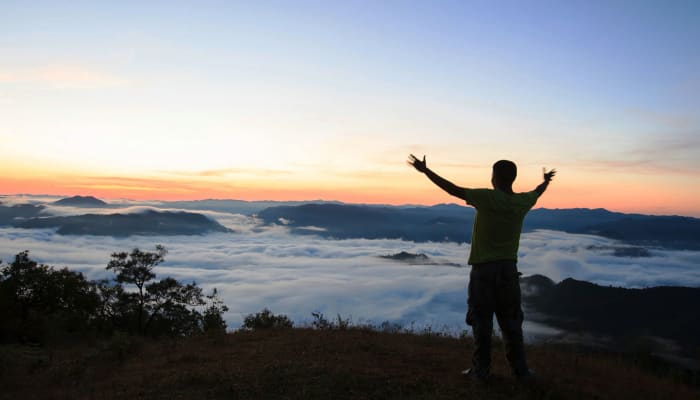
Best Viewing Spots at the Summit
Skandagiri’s summit area offers multiple vantage points for sunrise viewing, each providing unique perspectives and photographic opportunities. Knowing these locations helps you position yourself effectively while avoiding crowded areas during peak viewing times.
The Eastern Cliff Edge provides the most dramatic sunrise views, where the sun appears to rise directly from the horizon. This spot offers unobstructed views across the plains below and often provides the best conditions for witnessing the sea of clouds phenomenon. However, it’s also the most popular location, so arriving early ensures better positioning. Safety barriers are minimal here, so maintain respectful distances from edges, especially in excitement of the sunrise moment.
The Fort Ruins Viewpoint combines historical elements with excellent sunrise views. Ancient stone walls create natural seating areas and wind protection while framing your sunrise photos beautifully. This location works particularly well for group photos and provides more shelter if weather conditions are challenging.
The Southern Overlook offers spectacular views across the Nandi Hills region and toward Bangalore’s distant skyline. While not directly facing the sunrise, this viewpoint provides excellent lighting for landscape photography as dawn progresses. It’s also typically less crowded, making it perfect for those seeking quieter contemplation.
The Western Ridge might seem counterintuitive for sunrise viewing, but it provides stunning opportunities to photograph the changing light across the landscape as shadows retreat and morning illumination spreads across the valleys below.
Photography Tips for Capturing the Perfect Sunrise
Photographing sunrise from Skandagiri presents both incredible opportunities and unique challenges. The combination of changing light conditions, potential cloud formations, and rugged terrain requires specific techniques to capture truly memorable images.
Equipment preparation should happen before you begin climbing. Clean your camera lens thoroughly, ensure batteries are fully charged (cold conditions drain batteries faster), and consider bringing backup power sources. If using a smartphone, enable airplane mode to conserve battery while still allowing camera function. A small tripod or stable surface becomes invaluable for sharp images in low light conditions.
Timing your shots requires understanding that the “sunrise moment” actually spans 30-45 minutes of constantly changing conditions. Start photographing during the pre-dawn blue hour when the sky begins to lighten but stars are still visible. This creates dramatic contrast and often produces more interesting images than the actual sun appearance.
Composition techniques should include foreground elements like ancient fort ruins, fellow trekkers, or interesting rock formations to add depth and scale to your images. The temptation is to zoom in on the sun itself, but wider compositions that show the expansive landscape often prove more compelling. Use the rule of thirds to position the horizon line effectively.
Exposure management becomes critical as light conditions change rapidly during sunrise. If using a smartphone, tap different areas of the screen to adjust exposure for highlights or shadows. Camera users should consider bracketing exposures or using graduated filters to handle the extreme contrast between bright sky and darker foreground elements.
Post-Sunrise Activities and Descent Planning
The magic doesn’t end when the sun fully rises above the horizon. In fact, the post-sunrise period offers some of Skandagiri’s most rewarding experiences, from exploration opportunities to spectacular descent views.
Summit exploration becomes much more feasible once full daylight reveals the terrain safely. Spend time exploring the various fort ruins, reading informational plaques about the area’s history, and discovering different viewpoints that weren’t accessible in darkness. Many trekkers find this exploration phase just as rewarding as the sunrise itself.
Social connections often develop naturally as fellow trekkers share breakfast, exchange photos, and discuss their experience. These spontaneous interactions frequently become highlights of the adventure. Consider bringing extra snacks to share – the communal aspect of enjoying food together after a shared challenge creates wonderful bonding experiences. Descent timing requires balancing your desire to stay on the summit with practical considerations. Most groups begin descending between 7:00-8:00 AM, which allows full enjoyment of the sunrise while avoiding excessive heat later in the morning. The descent typically takes 1.5-2 hours, and temperatures can rise quickly once the sun reaches full strength.
Photography opportunities continue throughout the descent as you see familiar landmarks from the ascent in completely different lighting. The rocky formations, plant life, and distant views that were invisible during the upward climb in darkness reveal themselves beautifully in morning light. Many trekkers discover their favorite photos actually come from the descent rather than the summit.
Celebration and reflection mark the perfect end to your Skandagiri adventure. Whether it’s breakfast at a local restaurant, coffee with fellow trekkers, or simply a quiet moment reflecting on your accomplishment, take time to properly conclude this experience before rushing back to daily routines.
Summary The Skandagiri sunrise trek offers an accessible yet rewarding mountain experience just outside Bangalore. This comprehensive guide covers everything from initial planning and booking requirements to safety protocols and summit photography. Success on this trek depends on proper preparation, following established regulations, and maintaining respect for the natural environment. With the right approach, trekkers can safely enjoy one of Karnataka’s most popular sunrise viewpoints while creating lasting memories of this beautiful hill fort location.
Frequently Asked Questions
1Q: How long does the Skandagiri trek take to complete?
A: The complete trek typically takes 4-6 hours, including 2-3 hours for the ascent, time at the summit for sunrise viewing, and 1-2 hours for the descent.
2Q: Do I need special permits or bookings for the Skandagiri trek?
A: Yes, advance online booking is mandatory through the Karnataka Forest Department website. Walk-in trekkers are not permitted, and bookings often fill up quickly during peak seasons.
3Q: What is the best time of year to do the Skandagiri sunrise trek?
A: The ideal months are October through March when weather conditions are pleasant and visibility is clear. Avoid monsoon season (June-September) due to slippery trails and safety concerns.
4Q: Is the Skandagiri trek suitable for beginners?
A: Yes, this trek is considered beginner-friendly with moderate difficulty. However, basic fitness levels are recommended as the trail includes rocky terrain and steep sections.
5Q: What should I do if I cannot complete the trek due to fatigue or injury?
A: Inform your trek guide immediately and wait for assistance. Do not attempt to continue alone. Emergency contact numbers are provided during the briefing, and rescue procedures are in place.
6Q: Are there facilities like restrooms or food stalls during the trek?
A: Basic facilities are limited on the trail. Carry sufficient water, snacks, and plan accordingly. Restroom facilities are available at the base camp but not along the trekking route.