

All-Inclusive Dudhsagar Trek Package: A Perfect Adventure Getaway 
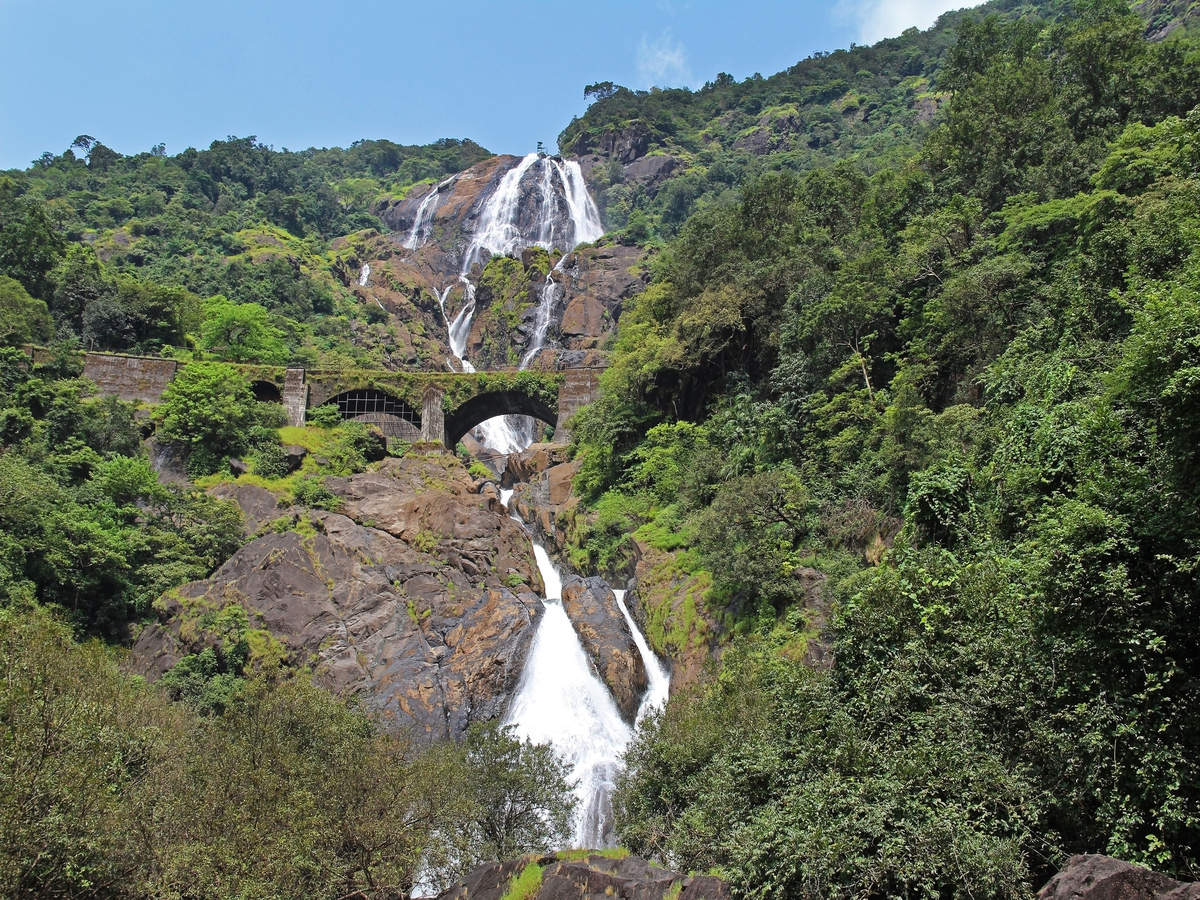
A Journey into Goa’s Hidden Wilderness — Where the Falls Roar, and the Soul Finds Calm.
There are places that make you stop and stare. And then there’s Dudhsagar Falls — a spectacle so grand, it feels almost otherworldly. Nestled deep in the lush forests of Goa’s Bhagwan Mahaveer Sanctuary, this waterfall isn’t just a sight — it’s an experience, a story written by nature herself.
The name Dudhsagar, meaning “Sea of Milk,” perfectly captures the illusion it creates — a massive sheet of white water tumbling down dark cliffs, resembling milk flowing from the heavens. For adventure seekers and nature lovers alike, the Dudhsagar trek is one of India’s most magical journeys — a blend of raw wilderness, legend, and serene beauty.
In this all-inclusive guide, we’ll dive deep into everything that makes the Dudhsagar trek in Goa a must-experience — from its natural grandeur to the spirit of adventure it awakens.
The Enchanting Beauty of Dudhsagar Falls 

There’s a reason Dudhsagar Falls is often called one of India’s most spectacular natural wonders. Plunging from a height of over 1,000 feet, it’s not just a waterfall — it’s nature’s theatre of power and grace.
Standing before the falls, you can feel its energy. The thunderous roar fills the air. A cool mist kisses your face. The air hums with life — from the rustle of trees to the rhythmic beat of water hitting rock.
Dudhsagar isn’t just about its visual beauty; it’s about immersion. It’s that feeling of insignificance in the face of something vast and timeless — a reminder that nature is the greatest artist there is.
The surrounding landscape adds to its allure. Emerald-green forests, ancient trees, and the occasional glimpse of wildlife — all make the Dudhsagar trek a sensory experience that lingers long after you’ve left.
The Legendary Dudhsagar Trek: A Trail of Wonder 
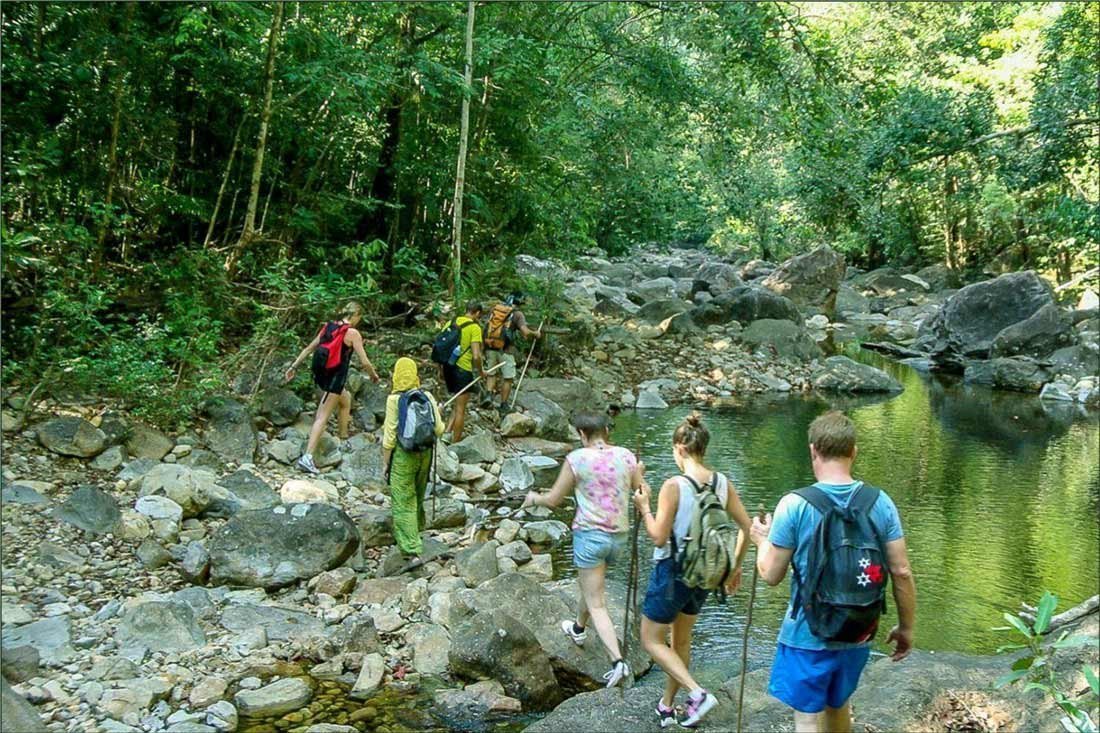
If there’s one way to truly understand the magic of Dudhsagar, it’s through the Dudhsagar trek itself. This is not just a path through the forest — it’s a journey that challenges, inspires, and rewards in equal measure.
1. The Trail and Terrain
The Dudhsagar trek distance varies depending on the chosen route — generally around 10 to 14 km of dense forest, muddy paths, and railway tracks that lead you to the falls’ base. Every step feels like peeling back layers of nature’s secrets.
The terrain shifts beautifully — one moment you’re walking through the calm of the woods, and the next, you’re greeted by the distant rumble of the falls. The final reveal — when the mighty Dudhsagar bursts into view — is pure cinematic glory.
2. The Scent of the Wild
Few treks in India can match the Dudhsagar trek Goa for its diversity. The forest hums with the chirping of birds, the rustle of leaves, and the sound of your own heartbeat syncing with nature’s rhythm. Occasionally, a soft drizzle turns the trail into a shimmering green corridor.
Every bend in the path brings something new — a bubbling stream, a railway bridge offering breathtaking views, or a glimpse of a deer darting through the trees.
3. The Grand Reveal
As you approach the falls, the sound intensifies — a crescendo that builds anticipation. Then, through the mist and trees, you see it: Dudhsagar, in all its roaring majesty.
It’s not just a visual spectacle — it’s a deeply emotional one. Many trekkers describe this moment as humbling — the kind that silences you, reminding you of the pure, unfiltered beauty of the natural world.
Best Time for the Dudhsagar Trek 

Timing is everything when it comes to Dudhsagar Falls. The best time for the Dudhsagar trek is during the post-monsoon and early winter months (October to February).
During this period, the waterfall is at its most majestic — full and frothy, cascading like liquid silver under a bright blue sky. The forest trails are lush, the streams are lively, and the overall atmosphere feels like stepping into a painting.
Monsoon season (June–September) transforms the landscape into a green paradise but makes trekking more challenging due to slippery paths and strong currents.
Summer (March–May), on the other hand, offers clearer trails and gentler weather but with reduced water flow. Still, even in its quieter months, Dudhsagar’s charm never fades.
Understanding the Dudhsagar Trek Distance, Difficulty, and Duration
One of the most asked questions about this adventure is — How long is the Dudhsagar trek?
The Dudhsagar trek distance depends on the route you take. The most common paths range from 10 km to 14 km (one way) through dense forest and old railway routes.
Difficulty Level: Moderate
The Dudhsagar trek difficulty level is generally considered moderate. While it doesn’t require advanced trekking skills, it does demand a fair amount of stamina and endurance — especially if you’re carrying gear or trekking during monsoon conditions.
Expect rocky paths, uneven terrain, and occasional water crossings — all of which add to the sense of adventure.
Trek Duration: 5–6 Hours on Average
Most trekkers complete the Dudhsagar trek in around 5 to 6 hours, depending on their fitness level and pace. What makes this trek special is that the journey is as rewarding as the destination.
Every kilometer holds its own charm — from scenic railway bridges and dense forest sections to panoramic viewpoints where the waterfall teases you from afar.
The Story and Spirit of Dudhsagar 
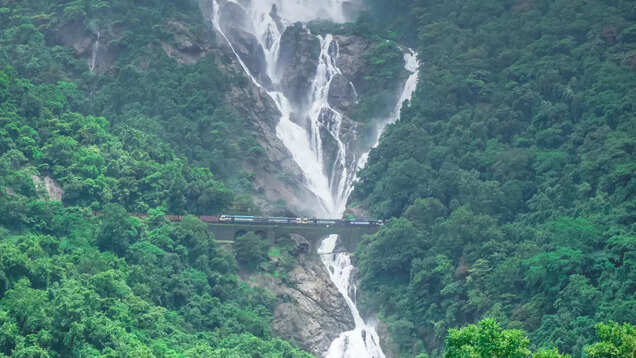
The Dudhsagar Falls aren’t just a natural wonder; they’re also steeped in legend and lore.
According to local mythology, a princess once lived in a palace near the falls. Every morning, she would bathe in a nearby lake and drink sweetened milk from a golden jug. One day, a passing prince caught sight of her while she was bathing. Embarrassed, she poured the milk to create a curtain, hiding herself from view — and thus, the “Sea of Milk” was born.
Whether you take it as myth or metaphor, this story captures the essence of Dudhsagar — pure, graceful, and timelessly beautiful.
When you stand at the base of the falls, watching the water crash against the rocks, you can almost imagine that ancient tale unfolding before your eyes.
The Natural Beauty Surrounding the Trek
The region around Dudhsagar is part of the Bhagwan Mahaveer Sanctuary and Mollem National Park, one of Goa’s richest biodiversity zones. This vast expanse of forest is home to leopards, deer, macaques, and hundreds of bird species.
As you trek through the dense canopy, the sunlight filters through in golden rays. The air feels fresh — earthy, pure, alive. The deeper you go, the more you realize that this journey isn’t just about reaching the falls — it’s about rediscovering a connection with nature that modern life often takes away.
The Dudhsagar Weather: What to Expect
Weather in Dudhsagar plays a major role in shaping your experience.
Monsoon (June–September): The waterfall is at its fullest and most dramatic. The air is cool, the surroundings lush, but the trail can be slippery.
Post-Monsoon (October–February): The ideal time — moderate temperatures, vibrant greenery, and excellent visibility.
Summer (March–May): Warmer weather and thinner crowds, but the waterfall flow reduces.
Each season paints Dudhsagar in a new color palette — whether it’s the misty silver of the rains or the crisp clarity of winter.
Dudhsagar Trek Guide: What Makes the Journey Special 
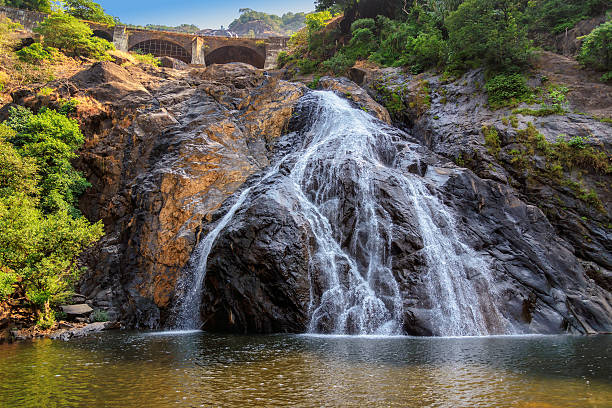
A good Dudhsagar trek guide doesn’t just lead you through the route — they help you see what most might miss.
They share stories about the forest, identify hidden viewpoints, and often point out the tiny wonders — like the rare orchids blooming by the trail or the call of a Malabar pied hornbill echoing through the valley.
With their insights, the trek becomes more than just a walk; it becomes a conversation with nature.
The Experience: Why You Should Go
So why should you trek to Dudhsagar?
Because it’s more than a destination — it’s an awakening.
It’s about that moment when you first hear the waterfall’s distant roar. That rush of adrenaline when you glimpse it through the trees. That silence when you finally stand before it, realizing that no photo or story could ever truly capture what you’re feeling.
The Dudhsagar trek is a reminder of the simple joys of being outdoors — the smell of rain-soaked earth, the laughter shared with fellow trekkers, the awe of seeing something that feels eternal.
It’s about humility, wonder, and the sheer joy of being alive.
Sustainable Trekking: Leaving Only Footprints
As beautiful as Dudhsagar is, it’s also fragile. Responsible trekking ensures that this paradise remains untouched for generations to come.
Avoid littering, respect local wildlife, and carry reusable water bottles. The goal isn’t just to explore nature — it’s to protect it.
A Journey That Stays With You
When you return from Dudhsagar, you don’t just bring back photos — you bring back perspective.
You remember the sound of water crashing against rock, the mist on your skin, and that feeling of being completely present in the moment.
That’s the true beauty of the Dudhsagar trek — it doesn’t just take you to a place; it takes you back to yourself.
The United Trips: Curating Experiences That Inspire
At The United Trips, we believe that great adventures are not just about distance or destinations — they’re about connection.
Our mission is to bring travelers closer to nature through thoughtfully designed experiences that combine comfort, authenticity, and respect for the environment.
Whether it’s the Dudhsagar trek, the serene hills of Kodachadri, or the mystical beauty of Kudremukh, our curated journeys are crafted to let you explore the extraordinary — naturally.
Because in the end, travel isn’t just about seeing the world; it’s about feeling it.